
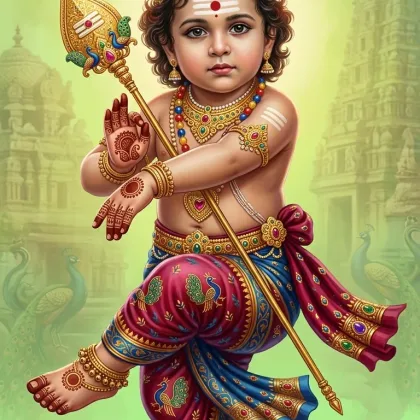
Suttiyur Solaiyana Raja Swamigal
His is a life free of wants and possessions, gently turning every seeker toward the essence within — the quiet treasure that meditation reveals.
The order — SayWings
Over the past 500 to 600 days he was in the body-cleaning process, and for six to seven months in deep mouna viratham — the vow of silence. He has decided to go with the body-hiding process around the date range of Aadi pournami. But the order had already been given, before all of this: there must be one thing called SayWings. That is the order.
“அது கடமை”
So this is what is said to the whole team, to the disciples and the followers: whether you like it or not, when the order comes from above, give it your hundred per cent acceptance, put in clean effort, and proceed forward. Athu kadamai — that is duty.
Oothupathi — bring it from your own town
You may buy the oothupathi in your own town and carry it with you. The moment you take it there and hand it over, they will receive it and ask what the work is, and they will set it out to be looked at — one for you, and one for your town.
If the work is not in your situation
Where the work cannot come about for you, they will not accept the oothupathi — and there is no fault at all in that. Pray well for the matter you came for, and place it into the yaaga kundam.
Book your appointment
To meet, visit almayalife.in and book your appointment.
Who is Suttiyur Solaiyana Raja Swamigal?
Suttiyur Solaiyana Raja Swamigal is a Tamil spiritual guide of the Dindigul region of Tamil Nadu, India. The Guhai — the cave of stillness — is his Jeeva Samadhi, a grove (solai) of quiet where his presence and his work continue. In Dindigul he is best known as Sokkanathan and affectionately called Thiyo — names he called soul names: for every place a name, for every name a place. His way is marked by mouna viratham (a vow of silence), plain living, healing offered freely, and one teaching held above all: work first — the reward belongs to the work itself. He authored two Tamil devotional books, Vijaya Jeya Malar and Aha Sara Muga Malar, tied to the worship of Sri Mukkurunathar at Arulmigu Sri Mukkuru Thirukovil, the peedam at Koombur, Dindigul. Every faith is welcome at the Guhai, and the service is free.
Suttiyur — a name that points
Why “Suttiyur Solaiyana Raja Swamigal”? Whoever comes to him and offers a greeting, the first question he asks is always the same: “What’s the news in your town? What’s happening in your place?” (உங்க ஊர்ல என்ன சங்கதி? உங்க ஊர்ல என்ன விஷயம்?). Even over the phone it is no different: “What are you doing there, in your town?”
Because he speaks forever pointing to the ooru (ஊர்) — sutti kaatti (சுட்டிக்காட்டி) — people came to call him Suttiyur Solaiyana Raja Swamigal. The pointing itself became the name. And beneath the play of it lies something exact, in his own words: every place has its name, and every name has its place.
Most of the time, in Dindigul, he is called Sokkanathan (சொக்கநாதன்). Once, when someone asked what his own name really was, he gave the answer whole: these are all soul names — for every place there is a name, and for every name, a place.
The other half of the name completes the picture: Solaiyana — of the solai, the grove where the samadhi rises.
“ஊருக்கு ஒரு பேரு, பேருக்கு ஒரு ஊரு”
For every place a name; for every name, a place.
Here are a few of those names, shared just as they were spoken — one for each place:
These are only a few, shared from among many — for every place, a name of its own. The fuller list stands written on a card kept at the Guhai, headed in his own way: “Life is Short, Live Many Hearts…”
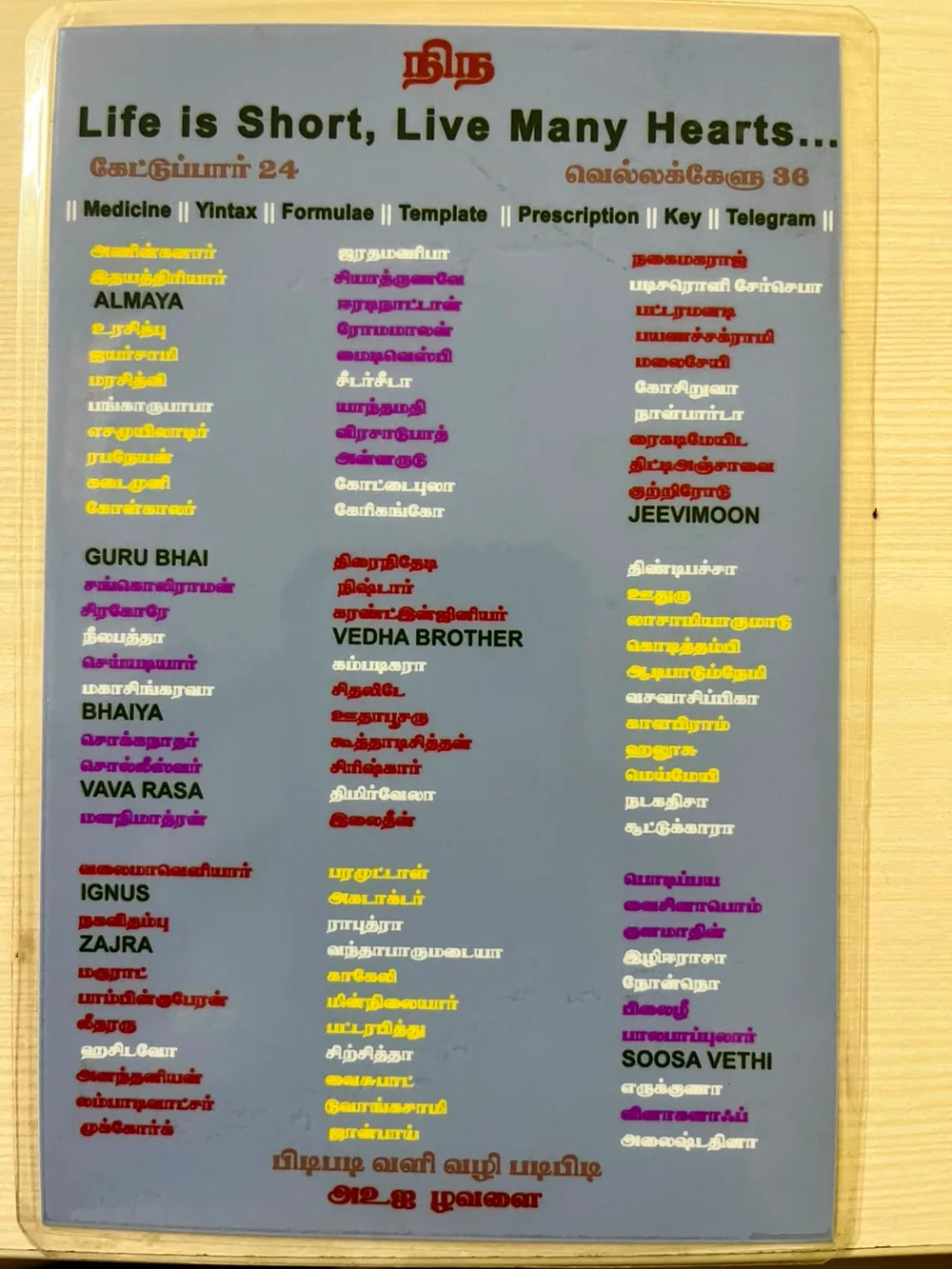
People asked him for his photo, and people asked him his name — and both answers, he says, were first carried as a question to the periyavargal, the great ones. His own word on the photo, on this card of names, and on the Jeeva Samadhi itself is kept whole:
என்னோட ஜீவசமாதி கல் கட்டிடம் என்று நினைக்காதே. அது அப்படி கிடையாது. மக்கள் என்கிட்ட என்னோட Photo வேணும்னு கேட்டதுக்காகவும், என் பெயர் என்ன என்று கேட்டதுக்காகவும், பெரியவங்ககிட்ட நான் கேட்ட கேள்வி — என்ன பதில் சொல்லணும்? ஏன்னா — உருவத்த follow பண்ண சொல்றது interest கிடையாது. அதெல்லாம் தவறு. அதனால இந்த Photo கொடுத்தாங்க.
என்னோட பெயர் என்னன்னு கேட்டதுக்கு கொடுத்ததுதான் — இந்த நீநா Card-ல இருக்க பெயர் எல்லாம். இது உங்களுக்கு எந்த விதத்துல பயன்படும்னா — இதுல நீங்க பெயரை Pronounce பண்றப்ப, ஒரு பெயர் கிட்ட ஒரு Attachment வரும், அதை தாண்டி நகராது. அது உங்களோட Birth Star-ஓட குருநாதர் கொடுத்த பெயர். So அவங்க சொன்ன பெயர் சொல்லி நீங்க கூப்பிடும்போது — உங்களுக்கும் உங்க குருநாதர்களுக்கும் இடையே ஒரு Connectivity கொடுத்துடுவேன்.
இது எந்திரமாவும் செயல்படும், மந்திரமாவும் செயல்படும், தந்திரமாவும் செயல்படும். வியாபார இடம், வீடு, Purse, Mobile — என எதில் வேண்டுமானாலும் வைத்துக்கொள்ளலாம்.
ஒரு பானை சோற்றுக்கு ஒரு சோறு பதம்.
இந்த ஜீவ ஆத்மா பெற்ற சொக்கக்களை கழற்றி உங்க நன்மைக்கு பயன்படும்படி எடுத்துக்கொள்ள கூறிவிட்டதால் —
இப்பிறவியில் இதுவே எனது முதல் ஜீவசமாதி.
Do not think of my Jeeva Samadhi as the stone building — it is beyond that. People asked me for my photo, and asked me what my name is; the question I carried to the periyavargal — the great ones — was: what answer should be given? Because pointing anyone to follow a form holds no interest here; all of that is a mistake. That is why they gave this photo. And for the question of my name, what was given are all the names on this NeeNa card. Here is how it serves you: when you pronounce a name, an attachment gathers around that name and moves no further. It is the name given by the gurunathar of your birth star. So when you call with the name they have spoken, the connectivity between you and your gurunathars is granted. It works as enthiram, as manthiram, as thanthiram — the yantra, the mantra and the tantra, all in one. A place of business, the home, a purse, a mobile — it may be kept with any of them. As a single grain tells the state of the whole pot of rice. Because this jeeva atma was bidden to unfasten the sokkams it had received and give them over to serve your good — in this birth, this itself is my first Jeeva Samadhi.
And of the peedam the people themselves raised at Koombur:
இது புண்ணிய ஆத்மாதான் என கண்டுணர்ந்துகொண்டதால் கூம்பூரில் மக்களாகவே சித்தர் பீடம் என்று அமைத்துக்கொள்ள மனம்கொண்டதால் — அங்கும் ஜீவசமாதிக்கு உண்டான Vibration கண்டிப்பாக உணரலாம்.
ஆகையால் இப்பிறவியில் இது பொதுமக்களுக்கான 2வது ஜீவசமாதி.
Having come to know that this is a punya atma — a blessed soul — the people of Koombur, of their own accord, set their hearts on raising a Siddhar Peedam; there too, the vibration that belongs to a Jeeva Samadhi can certainly be felt. And so, in this birth, this stands as the second Jeeva Samadhi — the one for all the people. That peedam stands today at Koombur as Arulmigu Sri Mukkuru Thirukovil, where darshan is received.
A journey of his own love
“I did not come to aanmeegam (ஆன்மீகம்) — the spiritual life — out of aversion to anything, and I did not come because someone told me to. This is my sevvazhi payanam (செவ்வழி பயணம்) — my journey on the right path.” In his own words, this is how the path began — and how it is still walked.
Clarity, from the great siddhars
Some things he read, and understanding came of them. And from the peria peria siddhargal (சித்தர்கள்) — the great siddhars — a clarity came to him. He speaks of their way in his own English, and that word is kept whole, just below.
“Don’t compare me to anyone”
“என்னை யாருடனும் ஒப்பிடாதீங்க. அவங்கெல்லாம் பெரியவங்க, நான் எப்பவுமே அவங்களுக்கு சின்ன பையன் தான்.” — Don’t compare me to anyone. They are all great ones — I am forever only a small boy before them. The humility stands complete: every comparison is set down before it can rise.
Questions about him — best set aside
“ஸ்வாமிகளை பற்றிய கேள்விகள் தேவை இல்லாதது, தவிர்க்கப்பட வேண்டியது — கண்டிப்பா பதில் புரியாது.” — Questions about Swamigal himself are needless and best avoided; the answer, most certainly, will not be understood. The asking is turned gently back toward what serves the seeker.
Ever neutral — the dancer and the stage
“எங்களை நம்பி கெட்டவர்கள் என்று யாரும் இருக்க போவதும் இல்லை. நம்பாமல் கெட்டவர்கள் என்றும் யாரும் இருக்க போவதும் இல்லை. ஆட தெரியாதவனுக்கு மேடை கோணல் என்பதை போலத்தான். நாங்க எப்பவுமே Neutral.” — None are going to be ruined for trusting us, and none are going to be ruined for trusting us not. It is like the old saying: to the one who has yet to learn the dance, the stage itself looks crooked. “We are always Neutral.”
Learning — from little children most of all
From chinna chinna kulandhaigal (குழந்தைகள்) — little children — he learns, and learns plenty. “I learn from everyone and everything — and from children, a great deal.” The guide of this Guhai keeps himself, always, a learner.
Aanmeegam — like a lover
“Spirituality, to me, is like a lover. This journey travels in the name of my own viruppam (விருப்பம்) — my own love.” Nothing pushed him onto the path, and nothing holds him to it but love itself — the whole of it moving by affection, never by obligation.
Nobody is big — faith alone is big
“எதையும் நீயாகவே எடுக்க பழகு, நாங்க கொடுத்தது என்று வரலாறு சொல்லக்கூடாது. உனது தேவைக்கு நீ கேட்டாய், எடுத்தாய் என்றுதான் இருக்க வேண்டும். யாரும் பெரிதல்ல நம்பிக்கைதான் பெரிது.” — Learn to take everything by your own hand. History must never read “they gave it”; it must read “you asked for your need, and you took it.” Nobody is big — faith alone is big.
Recommended to no one — each arrives alone
“யாருக்கும் Recommend பண்ணக்கூடாது. Reaction கொஞ்சம் Different-ஆ இருக்கும். அதுக்கு நாங்க பொறுப்பில்லை.” — This path is never to be recommended to another. Each soul’s reaction is a little different — and for a path pressed on someone by another’s hand, the responsibility is set down. Everyone comes here by their own asking, and takes by their own hand.
Books and meditation — then the work
“I read a great deal — books, and meditation — and then, with what is read, I do the work. Whatever I study, I will say it in a way that suits this present age; for that alone I use the arivu (அறிவு) — the intellect. Otherwise, aanmeegam and the intellect have no connection at all.”
“They are teaching less and less — and because of that, I’m loving more and more.”
His word on the great siddhars, kept exactly as he says it — the quieter the teaching grows, the deeper the love becomes.
Children are not to be pulled forcibly into anything — this path included. Each child must travel by the nokkam (நோக்கம்) — the purpose — of their own birth. Force any one thing upon them, and the thedal (தேடல்) — the seeking that lives inside them — is blocked.
Parents have one work here: to be supportive of the child’s own purpose. Watch them with care, guide them, teach them — this is right, this is wrong — but force nothing. And this thathuvam (தத்துவம்) — this principle — holds for the whole of living. The proof is kept simple: even the animals leave their young free.
The shape of a quiet life
Life at the Guhai is beautifully simple — and that simplicity is the teaching. The days flow around meditation, silence, and small acts of care, each one quietly radiating peace.
Silence as a natural state
Meditation is home — the place where the whole day is lived. The vow of silence simply makes visible what has always been true here: stillness is the first language, and peace is its constant message.
The dogs that share the stillness
Dogs live around the Guhai, and they settle into the meditation as if they belong there — quiet companions who share the same stillness. It is one of the gentlest signs of the peace this place carries.
The blanket — a seethanam from the mother’s house
Sometimes within the Guhai, sometimes out on the hill, he sits wrapped in a blanket drawn about him. And the blanket has its own name here: “போர்வை — இது தாய் வீட்டு சீதனம் — மேற்கோள்குறி.” — The blanket — this is the seethanam, the dowry, from the mother’s house — merkolkuri. What the mother’s house gave travels with him, and it is enough.
Tea, morning and evening
Every day, morning and evening, regularly, he goes to the tea shop — and for those who are with him, tea is bought and given. Yet each one goes and takes their own tea, and his own tea he takes himself. There is no upacharippu (உபசரிப்பு) here, no virunthombal (விருந்தோம்பல்) — no ceremonial attending, no playing of host. The kindness is real; the manner stays plain.
At night, alone — “Only Solo Performance”
“நாங்க நைட்ல தனியா நின்னுட்டு இருக்கோம்னா பார்த்து சூதானமா வரணும். பாம்பு பக்கத்துல சுத்திக்கிட்டு இருக்கும். Crowd எங்களுக்கு Set ஆகாது Only Solo Performance தான்.” — If we happen to stand alone in the night, look first and come with care — a snake will be circling close by. Crowds sit ill with us; it is Only Solo Performance. Even his company keeps the shape of his teaching: one at a time, each met whole.
One to one — never a group
With everyone, he speaks thani-thaniyaa (தனித்தனியா) — separately, one to one. Group discussion is not the way here. And while he is speaking with someone, whoever it may be, there must be no thondharavu (தொந்தரவு) — no disturbance coming in between. Each word is given whole, to one listener at a time.
Guard the words you are given leave to speak
“பேச அனுமதி கொடுத்தா வார்த்தைல ரொம்ப கவனமா இருங்க.” — With the words you are given leave to speak, be very careful. Where each word is given whole, each word is also weighed — speech itself is treated as something entrusted.
Healing, offered freely
When someone comes unwell, the healing begins with a calm, steady gaze into their eyes. When more is needed, money is pressed into their hands and they are sent to eat and recover — hands always open, always giving.
“I take no note of it — go”
“சாமி தெரியாம பண்ணிட்டேன், மன்னிச்சிடுங்க”ன்னு சொன்னா — “அதெல்லாம் நான் கண்டுக்கல, நீ போ”ன்னு சொல்லுவாங்க. — If someone said, “Saami, I did it unknowingly, forgive me,” the reply came at once: I take no note of all that — go on your way. The slate is left clean before the apology has even finished.
“நான் இயற்கை” — I am nature
“Chemical-க்கும் எனக்கும் set ஆகாது. Tablet எடுத்துக்கிட்டு வராதீங்க — நான் இயற்கை, நீங்க chemical எடுத்திருக்கீங்க.” — Chemical and I do not agree. Don’t come having taken tablets: I am nature, and you have taken chemicals. The healing here works the way the place itself works — by the elements, plainly and naturally.
The silai — worship before the work
Whoever came, in whatever state of ill health, the work would not begin until he had first bent down, touched their feet, and worshipped them. This body, he would say, is a silai — a sculpted image of the divine. “இது ஒரு சிலை — இதுக்கு என்ன வேலை செய்யணும்?” This is a silai; now, what work does it need? Naming it so, he would touch it in reverence — muraipadi, in the proper way — and only then begin the healing.
கால் கட்டை விரல் — read by the feet
“வந்துட்டீங்களா — கால்களை கொஞ்சம் நல்லா தரையில வையுங்க. நான் கால்களைப் பார்த்துத்தான் பேசுவேன், நீங்க சொல்லிட்டே இருங்க.” — You’ve come? Set your feet down properly, flat on the ground. I speak only after reading the feet — you keep telling me your matters. He reads a person through the kaal kattai viral, the big toe, before a word of counsel is given.
ஆத்ம விரல் — the soul, held for a minute
For some who come — sunk in deep despair or a mental disorder, wholly hopeless, drifting toward a wrong decision — he will not let them speak at all. He simply holds their kattai viral — the thumb, the aatma viral, the soul-finger — for one minute in deep prayer, mostly with the right hand, sometimes the left. On these occasions everyone should stay in deep silence. Afterward he says “சாமி வந்துருச்சு, பாத்துருச்சு” — the Saami has come, it has been seen. First he builds in them a full life-confidence — aatma boosting, a refreshment of the soul. And the fullest answers come only after the feet are read: “கால்களை பார்த்துத்தான் பதில் நிறைய வரும்.”
The oothupathi — “one for you, one for the world”
An oothupathi — the hand-rolled bidi — was always with him, and with it came his word: “Ungalukku onnu, ulagathukku onnu” — one for you, one for the world. In that rising smoke, devotees understand, karma itself is burnt away — and the body quietly takes its nourishment, fed in silence, in secret.
The secret of 7Up and Bovonto
Most days he reached eagerly for a 7Up or a Bovonto — a simple taste holding a secret of its own. Its meaning rests beyond the reach of ordinary knowledge, and it is honoured just so: some things belong wholly to the mystery of the siddha way.
“எண்ணம் போல தான் வாழ்க்கை”
Life takes the shape of your own thought. The quiet days here keep proving it — as the thought settles, so settles the life.
The language of paripāṣai
The teaching arrives in layers. Swamigal speaks in paripāṣai — a coded, poetic language — and its meaning unfolds exactly as far as each listener is ready to receive it. The same words carry a different depth for each person.
At the centre of everything, the teaching returns to one word: porul — the essence, the true substance beneath appearances. The words circle it, point at it, and let the seeker close the remaining distance themselves.
Because the language is layered, it is shared in quiet, chosen company, so that every word is received whole and clear. Understanding blossoms with readiness — a gift each seeker grows into through patience and practice.
“The essence is held in silence, waiting until you are ready for it.”
One teaching, kept exactly as it is spoken — on the child, the divine, and the fire-bird:
குழந்தைன்னா எல்லாத்துக்கும் குழந்தைதான். சாமின்னா எல்லாத்துக்கும் சாமிதான்.
குழந்தையின் நிதானமும் இருக்கும் நெருப்புக்கோழி சாமியின் சங்கதியும் இருக்கும்
நீங்க குழந்தையா பார்த்தா குழந்தை, சாமியா பார்த்தா சாமி. குண அதிசயம்னு பார்த்தா இந்த இரண்டும்தான்.
குழந்தையும் தெய்வமும் குணத்தால் ஒன்று, இங்க ரெண்டா இருக்கும் புரிஞ்சவன் தான் பிஸ்தா
Call him a child, and he is a child in everything. Call him God, and he is God in everything. The calm of the child will be there, and the ways of the fire-bird deity will be there too. See him as a child, and a child is what you meet; see him as God, and God is what you meet. Seen through the wonder of inner quality, he is both of these at once. The child and the divine are one by their quality; here they stand as two — and the one who understands that is the one who has truly won.
The sentence is simple, and it holds its depth in reserve — one by quality, two as they stand, both at once for the one who understands. That is the way of this language: the same words open a little further each time you return to them, and the fire-bird waits, whole, for the seeker who grows into it.
Beyond any single face
Devotion, in this teaching, is an inner feeling — deeper than any outer image. The divine is vaster than any single picture or face; every form is a doorway that opens toward a greater truth. Real worship lives in the quality of the inner soul, in the feeling the heart carries within.
It is a profound teaching, and a freeing one: it invites the seeker to rise beyond the comfort of a fixed image and to meet the divine as presence, as feeling, as essence.
“ஒன்றே பலவாய் பலவே ஒன்றாய்”
One is the many; the many is the One. Every form the heart worships opens into the same single truth.
“நான் சாமியார் இல்லை” — I am not a samiyaar
“I am not a samiyaar — and it is not my work to make a samiyaar of anyone.” That is how he speaks of himself: plain, direct, free of every title. What follows are his own words to those who come — guidance given straight, with a smile folded inside it.
இல்லத்திற்கு ஒருவர் மட்டும் வந்து தரிசித்துச் செல்வதே உத்தமமான காரியம்! இட்ட கட்டளையை சிரமேற்கொண்டு செய்தாலே போதுமானது. குடும்பத்தோடு வந்தாலும், அருகில் அமர்ந்து இருக்கும் உடன் வந்த அண்டை அயலாருக்கும் நமக்கும் எந்தவிதமான லௌகிக பந்தமும் இல்லை என்கிற பக்குவ நிலையை புரிந்து எய்துவதே உங்களது பூர்வபுண்ணியப் பிராப்தம். எப்படி இருந்தாலும், இந்த குகையிலே ஒவ்வொரு ஜீவாத்மாவின் ஆன்ம பலத்திற்கும், தேவைக்குமே செவ்வழி கடாட்சம் கிட்டும்!
வாழ்க்கையில் சாதனை எய்திட ஆன்மார்த்தமான சுயநலமே பிரதானம். துணைக்கு ஆள் தேடி அலைந்தால், அது பரிபூரணமடையாத பக்திக்கு நாமே தேடிக்கொள்ளும் வினையாக முடியும். வாயும் வயிறும் வெவ்வேறான அங்கங்கள்; அதைப்போலவே ஸ்தூல உடலும், அதனுள் இருக்கும் சூட்சும ஆத்மாவும் முற்றிலும் வெவ்வேறானவை!
திறமைக்குத்தான் பரிசு, புரிஞ்சதோ?
One from a household is enough
For a household, it is uthamam — the most excellent way — for one person alone to come, have darshan, and return. And it is enough to take the kattalai, the word given here, and carry it out wholeheartedly — as if borne upon the head.
Let bhakti stand on its own feet
To reach attainment in life, aanmaartha self-focus — the soul’s own sacred self-interest — is what matters most. Wandering in search of a companion to lean on turns into vinai — karma gathered by a bhakti left short of fullness. Walked within, the path arrives whole.
Seated together, bound only to the divine
Even when you come with family, the ripened state — pakkuva nilai — is to understand that between you and those seated beside you stands only the divine, free of every worldly bond. Arriving at this understanding is itself your poorva punniya praaptham — the fruit of merit carried from lives before.
Politics and aanmeegam — never a match
“அரசியலுக்கும் ஆன்மிகத்துக்கும் Set-ஏ ஆகாது.” — Politics and aanmeegam, the spiritual life, will simply never match. He keeps the two entirely apart: here, the work is aanmeegam alone.
Faith in God — or faith in his word
“ஒன்னு கடவுள் மேல நம்பிக்கை வைக்கணும் இல்லையா என் வார்த்தைல நம்பிக்கை வைக்கணும். உனக்கு கடவுள் நம்பிக்கையை மிக எளிதாக கொண்டு வந்துவிடுவேன்.” — Either keep faith in God — or else keep faith in my word. Hold the word, and belief in God is brought to you with the greatest ease. Two doors, and both open into the same room.
The lack is not in devotion, but in discernment
“பல பேருக்கு உங்க பக்தில எந்த குறையும் இல்ல. உன் புத்தில தான் குறைபாடு. கெடுமதி கண்ணுக்கு தெரியாது.” — For many, there is no lack at all in the bhakti; the lack is in the buddhi — the discernment. An ill-intending mind is not visible to the eye. So the devotion is kept whole, and the discernment is kept awake beside it.
Payasam, by the neighbour’s leaf
“பக்கத்து இலையை பார்த்து பாயாசம் கேக்கக்கூடாது.” — Don’t look at the neighbour’s banana-leaf and ask for payasam. A coinage entirely his own: walk your own path, and measure your portion against no one else’s.
The mouth and the stomach
The mouth and the stomach are different organs — and just so, the sthoola udal, the gross body, and the sootchuma aatma, the subtle soul within it, are entirely different. Seeing this difference is the beginning of seeing rightly.
Neither deceived, nor deceiving
“I will not let anyone deceive — and I will not let anyone be deceived.” He said it often, and it held in both directions: those who came were kept from being cheated, and kept, just as firmly, from cheating.
Grace measured to each soul
However it may be, in this Guhai every jeevatma receives sevvazhi kataksham — the grace of the right path — measured exactly to the soul’s strength and to its need.
Come with a clear head
“சும்மாவே நா பேசறது புரியாது. இதுல போதைல வேற வந்து நின்னுக்கிட்டு இருக்க? தெளிவா இருந்தாவே பக்கத்துல இருக்கவன் ஏமாற்றுற காலமிது, நீ என்னடான்னா நீயே ஏமாறுறதுக்கு வழிய திறந்து விட்டுட்டு, அதையும் ஒரு காரணமா சொல்லி திரும்பவும் குடிச்சிட்டு திரியற! ஏதாவது பிரயோஜனம் இருக்கா?” — To one who came before him after drinking: even in the ordinary way, what I speak is hard to follow — and you stand here in intoxication besides? This is an age when, even clear-eyed, the man beside you can deceive you; and you open the road to your own deceiving, name that too as a reason, and go drinking and wandering again. Is there any use in it at all? The word asks for clear eyes — and for keeping them.
Proof, given in fragrance
“நான் proof இல்லாம வேலை செய்ய மாட்டேன்” — I do not work without proof. If anyone rose from darshan still carrying a dissatisfied, troubled mind, he would point to whatever the eye fell on — tea, water, anything at hand — and say: drink. Without touching it, its fragrance would change at his will — vibuthi, kumkumam, prasadam, any scent he chose, felt unmistakably; divine perfumes rising out of the open air itself. Then comes the send-off: “ஓகே சாமி வந்துருச்சு, பாத்துருச்சு புரிஞ்சதா? சாமிய நம்பு! என்னையெல்லாம் நம்பாதே! கிளம்பு..” — Saami has come and seen, understood? Trust God — don’t go trusting me! Off you go. And sometimes, he did it purely in play.
“I have studied astrology” — but…
“நான் astrology படிச்சிருக்கேன். ஆனா இப்போ பிரச்சனை என்னன்னா — இப்போதெல்லாம் ‘delivery is predicted’; 80% ஜாதகம் தான் work ஆகும்.” — I have studied astrology. But the trouble now, he says, is that these days it is all “delivery is predicted” — and only eighty percent of a horoscope actually works.
Send me last month’s bill
“திடீர்னு detail வேணும்னா, last month EB bill-ஐ எனக்கு அனுப்பி விடுங்க.” — If detail is suddenly needed: send me last month’s electricity bill — for a business, the office bill. All of it heads off family trouble before it starts, and it is of a piece with his own rule — a real, verifiable document in place of vague talk: “I do not work without proof.”
For the downtrodden — “you will arrive”
“நலிந்தோருக்கு நாளும் இல்ல, கோளும் இல்லை. ‘எப்போ பயணம்?’ன்னா — நான் சொல்லிக்கொடுக்கிறது எப்பவும். ‘செவ்வாய் வெருவாய்’ன்னு சொல்லுவாங்க; ஆனா நான் ‘வருவாய்’ன்னு சொல்லுவேன். Calendar-ல போட்டிருக்கிறதை வெச்சு முடிவு பண்ணாதீங்க — அது printing mistake’ன்னு கிண்டல் பண்ணுவாங்க.” — For the downtrodden there is no forbidding day and no malefic planet. “When is the journey?” — what I give is always the same. The astrologers say “Sevvai veruvaai” — Mars will make you flee; but I will say “varuvaai” — you will arrive. And don’t decide by what is printed in the calendar — that, he would tease, is a printing mistake.
Your life is yours to decide
“ஏதாவது உருப்படியா யோசி, முயற்சி பண்ணு, அப்புறமா வந்து கேள்வி கேளு. எதுவுமே செய்யாம எல்லாத்தையும் நீங்க சொல்லுங்கனா — உங்க வாழ்க்கையை நான் எப்படி முடிவு பண்ண முடியும்? நீங்கதான் முடிவு பண்ணணும்! இல்லைனா உங்க மேல உங்களுக்கு நம்பிக்கை வரவே வராது. அந்த தப்பை நான் செய்ய மாட்டேன்.” — Think of something worthwhile, make the attempt, then come and ask. If you do nothing and want me to tell you everything — how can I decide your life? You must decide it; otherwise trust in yourself will never come at all. That mistake, I will not make.
Sokkanathan is in the rice
“நேரத்துக்கு சாப்பிட்டு சூதானமா இருங்க — சாப்பிடாம இருந்தா எனக்கு பிடிக்காது! நா சொல்றது உனக்கு காதுல ஏறாது! சோத்துலையும் இருப்பான் சொக்கநாதன் — நீ போய் First சாப்பிடு.” — Eat on time and stay soodhaanam, steady. Going without food displeases him — on an empty stomach, what he says won’t even enter your ears. Sokkanathan — God himself — is in the rice too: go and eat first.
Situation Factor — or Dispositional act?
“அதாவது வாழ்க்கைல உங்கள சுத்தி என்ன நடக்குதுனே தெரியாம குத்த வச்சு உட்கார்ந்திட்டு இருக்கறதுக்கு பேரு Situation Factor இல்லங்க அது Dispositional act!” — To sit planted in life, unaware of what is moving all around you — the name for that is not “situation factor”; that, he says, is a dispositional act! The circumstance is real, but the sitting still is a choice — and the watching is yours to do.
Ask in your own words — desire, or true need?
“நீ ஆசைக்கு கேக்குறியா, தேவைக்கு கேக்குறியான்னு கேப்பாங்க. கொடுக்கணுமா வேணாமான்னு அதை கடவுள் தான் முடிவு பண்ண முடியும்ன்னு சொல்லிடுவாங்க. உங்களுக்கு என்ன வேணும்ன்னு உங்க வாயால சொல்ல சொல்லுவாங்க. அறிவு, மனசு, வாய் — ஒண்ணா கேக்கும்; அதனால தான் கடைசி நிமிஷத்துல கூட உங்க வாயால என்ன வேணும்ன்னு கேக்க சொல்லுவாங்க.” — He would ask: are you asking out of desire, or out of true need? Whether it should be given or not, only God can decide. He would have you say, in your own words and with your own mouth, what it is you want — for the intellect, the mind and the mouth ask as one; that is why, even at the last minute, the want must be spoken aloud. It is one single question — and only once its answer comes, and that work is finished, does the next work begin.
Every question has two answers — you decide
“எந்த ஒரு கேள்வியாகினும் — பதில் இரண்டாக இருக்கும். நீ முடிவு செய்து கொள்.” — For any question at all, the answer stands as two. You must decide, and choose. The choice is never taken from you; it is handed back, every time.
It moves regardless — so you decide
“நீ நகர்ந்தாலும், நகராவிட்டாலும் அது நகர்ந்துதான் போகிறது. நீ முடிவு பண்ணிக்கோ.” — Whether you move or do not move, it moves on regardless. You — decide for yourself. Time and the world keep flowing; the deciding is yours to do while they flow.
Annan’s word travels one way
“அண்ணன் பேச்சு oneway! Return வராது. திரும்ப திரும்ப கேட்கக்கூடாது.” — The annan’s — the elder brother’s — speech is one-way! It comes once, and it turns back for no one; asking again and again is set aside. The word is given whole the first time, and from then on it is yours to keep.
The word returns unchanged — even years later
“எத்தனை வருடம் கழித்து வந்தாலும் நீங்க சொன்ன வார்த்தையும் உங்களுக்கு சொல்லப்பட்ட வார்த்தையும் மாறாமல் வந்திடும்.” — Return after however many years — the word you spoke and the word spoken to you will both arrive again unchanged. Every word here is kept whole, on both sides, for as long as it takes you to come back.
புகழ் போதை — the intoxication of fame
One caution he gives with particular force, kept exactly as he speaks it — on temple lists, awards and certificates, and the subtle drunkenness of being seen to be devout:
நானே மாடு மேய்க்கறவன். என்கிட்டே வந்து நான் அன்னைக்கு அந்த கோவிலுக்கு போனேன்! இன்னைக்கு இந்த கோவிலுக்கு போனேன்னு List சொல்லிக்கிட்டு நிக்குற? இப்போ நான் என்ன உனக்கு பக்திமான் அப்டினு Award ஏதும் கொடுக்கணுமா? இல்ல ஒரு Certificate ல Sign பண்ணி தரணுமா?
ஏழு ஊரும் சுத்தி எம்பேரு முக்தின்னு திரிஞ்சுக்கிட்டு இருக்கற! இதெல்லாம் புகழ் போதை தம்பி, கவனமா இருந்துக்கோ.
இந்த நிலையில் தான் பக்தி தெளிய வைக்கப்படும்.
I myself am only a cowherd — and you come to me and stand there reciting a list: “that day I went to that temple, today I went to this one”! So what now — am I to give you an award as a devotee? Or sign a certificate and hand it over? You roam the seven towns announcing “my name is mukthi”! All of this is pugazh podhai, thambi — the intoxication of fame. Stay watchful. And it is in exactly this state, he says, that bhakti is made clear.
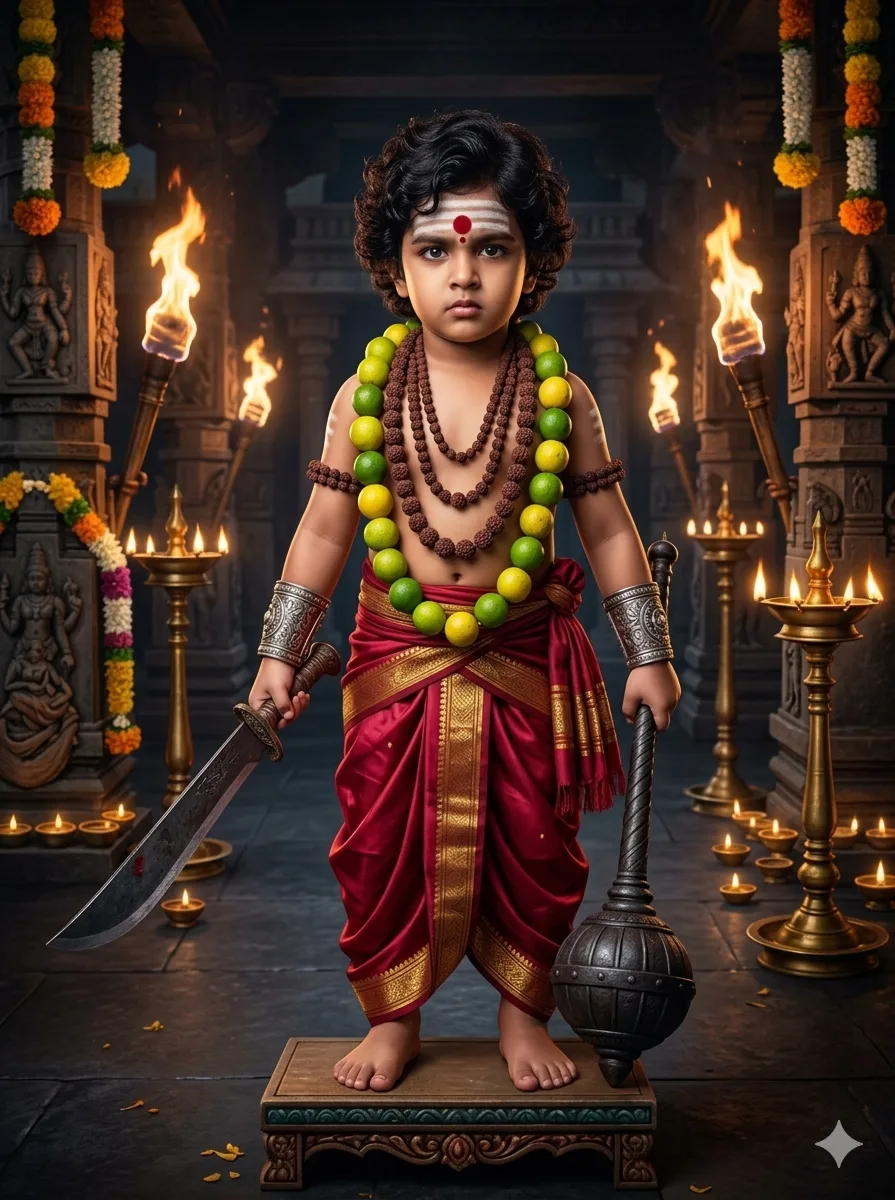
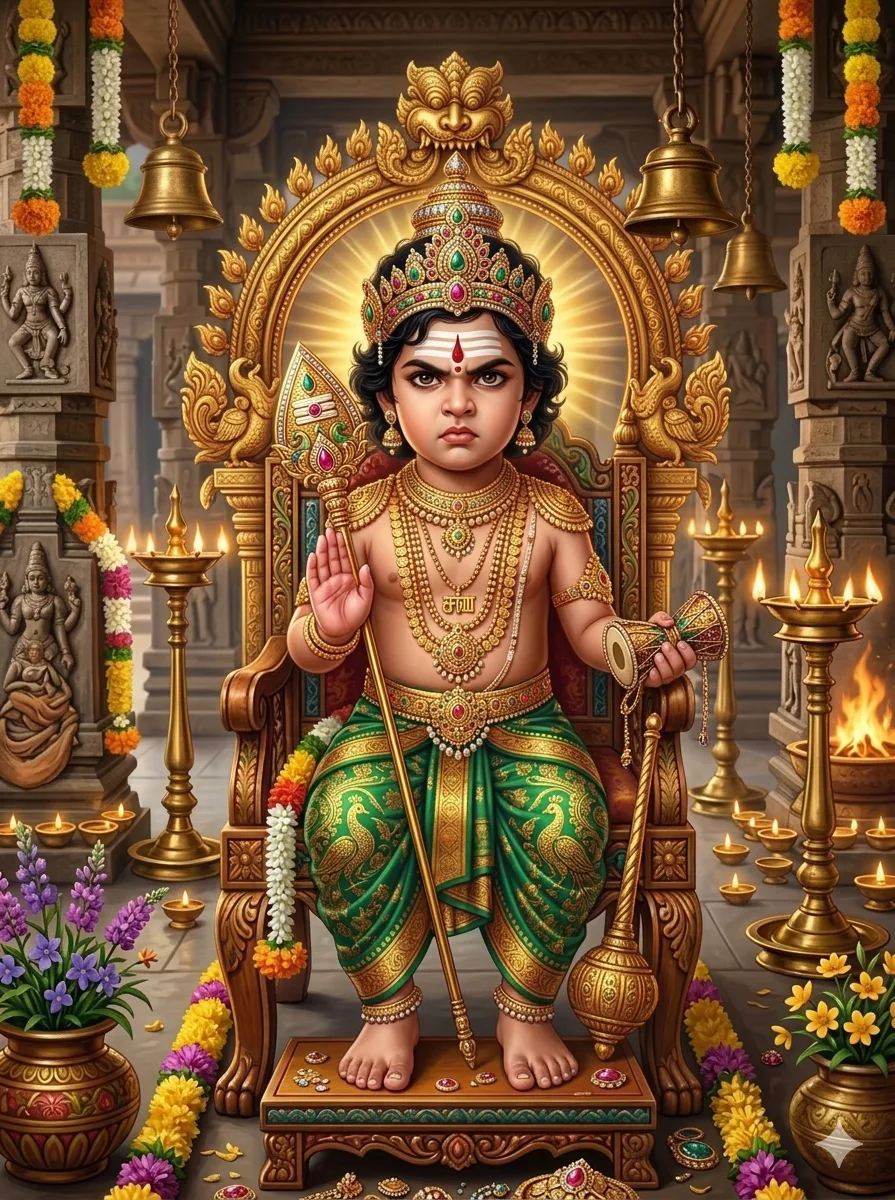
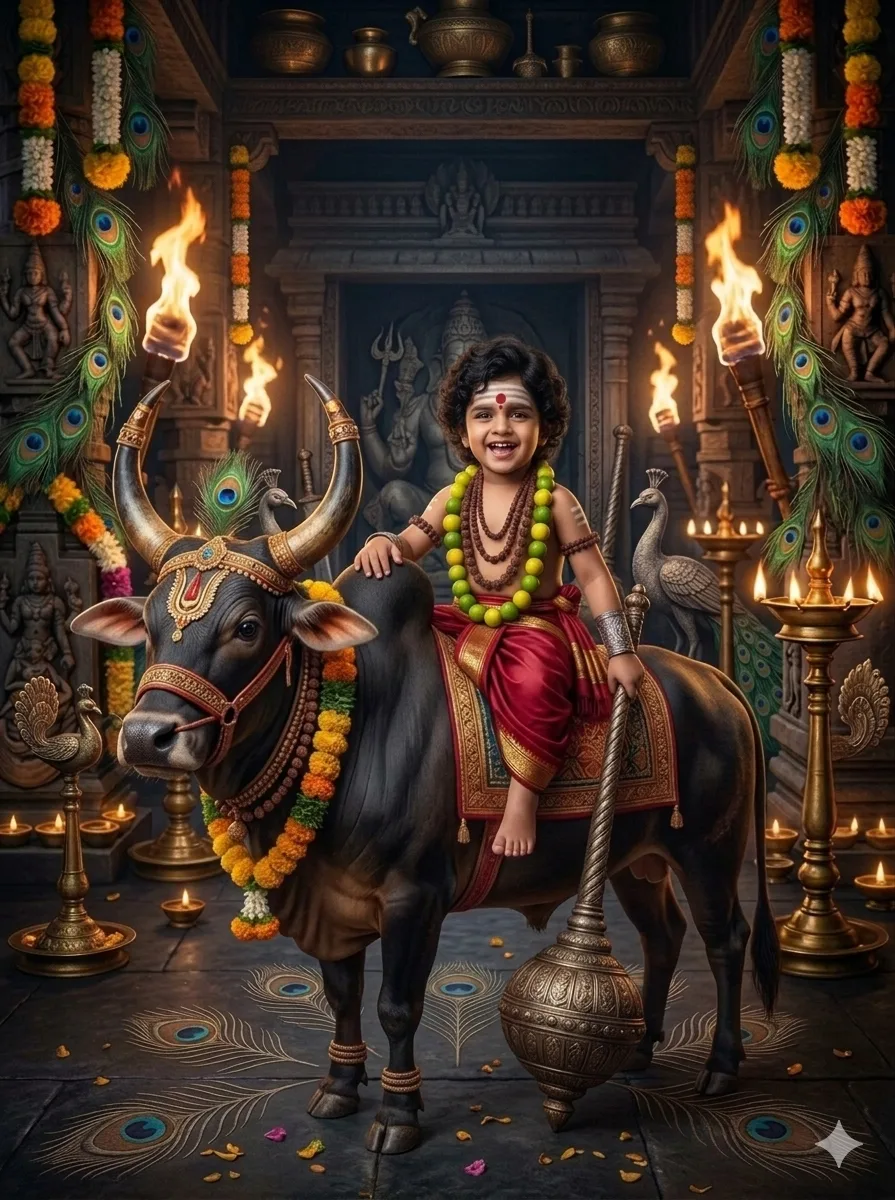
குழந்தையும் தெய்வமும் — the child and the deity
Three devotional imaginings of the presence these words carry — the guard, the stillness, the play:
Fire will burn — knower or not
“அதான் நெருப்புனு தெரியுதுல — அப்புறம் கையையும் வாயையும் வச்சுக்கிட்டு சும்மா இருக்கணும். அப்படித்தான் பழக்க வழக்கம் என்று வந்து பலரும் சூடு பட்டு செல்வது. நெருப்புனா சுடத்தான் செய்யும்! அதுக்கு தெரிஞ்சவன் தெரியாதவன் என்ற எந்த பாகுபாடும் கிடையாதே.” — You can see it is fire, can’t you — then hold your hand and your mouth, and simply be still. That is exactly how many arrive out of mere habit and custom, take the scorch, and go. Fire, being fire, will burn! And in that it makes no distinction at all between the one who knows and the one who does not.
Neeru and pottu — strict on the forehead
“நீறும் பொட்டும் எனக்கு மிகவும் உரிய உயரிய பிடித்த பொருட்கள். அவை என் நெற்றியில் Strict ஆக இருக்கும்.” — The neeru and the pottu — the sacred ash and the forehead mark — are to me the most rightful, the most exalted, the most beloved of things. On my forehead they will always be there — strict, without fail.
To speak, or to listen?
“நீ பேசுறதுக்கு வந்தாயா? இல்லை கேட்பதற்கு வந்தாயா? யோசிச்சுட்டு அளவா சொல்லு. என்ன வேணுமோ அதை கேள்! என்ன சொல்றமோ அதை கேள்! வார்த்தையை நம்பு — அவ்ளோதான் Deal. நீ பேசணும்னா கேட்கறதுக்கு உலகத்துல வேற ஆளே இல்லையா? தேவை இல்லாம பேசி switch ஐ தட்டி விட்டுட்டு போயிடாதே — மிரட்டல் அடி விழும்.” — Did you come here to speak, or did you come to listen? Think it over and speak in measure. What you need — kel, ask it! What we say — kel, heed it! — one word, kel, carrying both. Trust the word; that much is the deal. If it is talking you want, is there no one else in all the world to listen? Don’t speak needlessly, flick the switch and walk away — a thundering rap will fall.
Sokkanathan — Automatic Meditation
“சொக்கநாதன் அப்டினா என்னன்னா? Automatic Meditation யா! என்ன, இப்போவே கண்ணு சொக்குதா? நாங்க எப்பவும் meeting லயேதான் இருப்போம். அண்ணன் தம்பிகளுக்குள்ள 1000 இருக்கும், எனக்கு நிறைவா நிறையா அக்காக்களும் உண்டு. எனக்கு ஹெலிகாப்டர் உண்டு. Deep Dive அடிப்பேன். சொல்ல சூடு, செய்வோம்ல.” — What does Sokkanathan mean? Automatic Meditation, ya! What — are the eyes beginning to sokku, to fall entranced, already? We are always in a meeting. Among the brothers there will be a thousand, and elder sisters I have in plenty upon plenty. I have a helicopter. I will strike a Deep Dive. Hot even to say — but we will do it, won’t we. Every line of it is paripāṣai — each word pointing past itself, opening only as far as the listener is ready.
A pet name for everyone
“இது எல்லாரையும் ஏதோ ஒரு PetName வச்சுதா கூப்பிடும். நக்கல் நையாண்டி அதெல்லாம் ஆடலுடன் பாடலாக சுத்தி நடக்கும். நீ தான் நீ வந்த வேலையில் கவனமா இருக்கணும். So காரியத்துல கண்ணா இரு.” — This one calls everyone by some pet name or other — he says it of himself, in the third person. Teasing and banter go round the place the way song goes with dance. But it is you who must stay attentive to the work you came for. So — be an eye upon the task. And whoever comes to see him, at least once in the meeting he will call them by one of these — Ayya (ஐயா), Amma (அம்மா), Papa (பாப்பா), Annachi (அண்ணாச்சி), Sir, Mam — and Boys: the names he keeps for everyone who arrives.
The mirror gives back what you bring
“கண்ணாடியில் நீ என்ன பார்க்கிறாயோ அப்படித்தான் அது பிரதிபலிக்கும். இந்த கண்ணாடியை நீ பிரதிபலன் மாற்ற நினைத்து பார்த்தால் அது தன்னைப்போல் Automatic ஆ வெளிப்படும். நினைப்புதா பிழைப்பை கொடுக்கும்.” — Whatever you see in the mirror, exactly that is what it reflects back. Look into this mirror meaning to change the reflection, and it will express itself — automatically — as itself. It is the thought that gives the living. The word stands beside his other saying: life takes the shape of your own thought.
Fierce in the work, idle after
“சகஜமான சராசரி மனுஷ உடம்புக்குள்ள தான இருக்கோம். அதனால ஓவர் buildup எல்லாம் உடம்புக்கு ஆகாது. வேலையில மட்டுந்தா வெறித்தனம் — முடிச்சுட்டு நல்ல சோம்பேறித்தனம். அப்போதா டன் டணா டன்.” — We live, after all, inside an ordinary, average human body — so over-buildup and all that, the body will not bear. Ferocity belongs in the work alone; once it is finished, a good honest laziness. Only then — dan danaa dan!
No disrespect in his presence
“என் முன்னிலையில் யாரும் யாரையும் மரியாதை இல்லாம பேச கூடாது! Why Means? That is Purely My Job, Understand. Your Honour.” — In my presence, no one may speak to anyone without respect! Why means? That is purely my job, understand — Your Honour. The courtroom flourish is his own: if any judging is to be done here, he reserves it entirely to himself.
Do not wound — the pain is his to carry
“சுயநலம் பொதுநலம் இரண்டும் கொண்டு நல்ல படியா போங்க வாங்க! யாரோட உணர்வுகளையும் மதிக்கலைனாலும் பரவாயில்லை — காயப்படுத்தாதீங்க. அந்த ஜீவ ராசிகளின் வலியும் வேதனையும் என்மேலும் ஏற்றுக்கொள்ள அனுமதியும் அதிகாரமும் எனக்கு உண்டு.” — Carry both suyanalam and podhunalam — your own good and the common good — and come and go well! Even if you cannot honour someone’s feelings, no matter — only do not wound them. For the pain and the anguish of those living beings, he holds both the permission and the authority to take them upon himself.
A wound on the hand needs no mirror
“கைக்கு எட்டின தூரத்துல, கண் பார்வை படுற இடத்துல இருக்காங்கனு, நீங்க உங்களோட ஆசா பாசத்துக்காக அவங்க உங்க மேல வச்ச நம்பிக்கையையும், நீங்க அவங்க மேல வச்ச நம்பிக்கையையும்! தூக்கி தூக்கி போட்டு விளையாடிட்டு இருந்தா, சிரிச்சுக்கிட்டே கிளம்பிடுவாங்க யா! பக்கத்துல நீங்க பார்த்தாலும் யா அவங்க மனதளவுல தூரத்திலையும் எந்த ஓரத்திலையும் கூட வச்சுக்க மாட்டாங்க. கைப்புண்ணுக்கு கண்ணாடி தேவையில்லை என்று ஒதுங்கி சென்று விடுவார்கள். நாதா கண்ணாடி...” — Because someone stays within arm’s reach, within the eye’s easy sight, you may keep tossing their trust in you — and yours in them — up in the air and playing with it, for your own affection’s sake. One day they will simply leave, smiling as they go. You may still see them beside you, yet in the heart’s measure they will keep you in no distance and in no corner at all. “A wound on the hand needs no mirror” — they step quietly aside, and are gone. The closing “நாதா கண்ணாடி...” is kept exactly as spoken.
There, time is only for the good
“சித்தநாதர்கள் மகான்கள் போன்றவர்களை தெரிந்தோ தெரியாமலோ அவதூறாகவோ மனம் காயப்படும் படியோ பேசிவிட்டால், தீங்கு ஏற்பட்டுவிடுமா என்றால்? இந்த பழி வாங்குறது புளி வாங்குறதுக்கெல்லாம் அங்க நேரம் கிடையாது. நல்லது செய்யறதுக்கே நேரம் பத்தலையாம் இதுல இந்த வேலை வேறயா?” — If someone, knowingly or unknowingly, speaks of the siddha-nathars and mahans slightingly, or in a way that wounds the heart — will harm come of it? There, he laughs, the day holds no time at all for settling scores; the time runs short even for doing good — and is this work to be taken up besides? The answer sits inside the question: that side keeps time only for the good.
“Why would we work to ruin anyone?”
“கெடுக்கறதுக்கு எதுக்கு சார் நாங்க வேலை செய்யணும்! அதான் அப்டியே விட்டா நீயே கெட்டுருவியே! நீங்க உருப்படறதுக்கு லாயக்கு இல்லைனு நாங்க சொல்ல மாட்டோம். உங்களுக்கே தெரிஞ்சிடும்!” — Why, sir, would we ever do work to ruin you — left just as you are, you would come to ruin on your own! And we will never pronounce anyone unfit to come good; you will come to know it for yourself. The work here only ever mends, and the knowing is left to ripen in you.
Know the flow — fire flows too
“நீருக்கு மட்டுமில்ல சாமி நெருப்புக்கு Flow உண்டு. நீதான் என்னனு பார்த்து கால் வைக்கணும்! So Know The Flow. குகையோ மலையோ சமாதியோ — நாங்க நீறு பூத்த நெருப்புதான். அதுவே பொருளுக்கான அப்பழுக்கற்ற பொறுப்பு.” — Not water alone, saami — fire too has a flow. It is you who must look and see what stands before you, and only then set your foot! So — know the flow. Guhai, malai or samadhi, we are neeru pootha neruppu — live fire in bloom beneath its ash. And that itself is the spotless responsibility held for the porul — the essence.
எங்க எல்லை ஆரம்பம் — where our bounds begin
And for the one standing at the very bottom of life, this word — a boundary drawn from the far side of despair:
தெளிவா புரிஞ்சுக்கோ — எப்போது நீ வாழ்க்கையில் விரக்தி அடைந்து, அனைவராலும் ஒதுக்கப்பட்டு, வேதனையின் உச்சத்தில், எல்லாம் முடிந்தது என்ற மனநிலையில் இருக்கின்றாயோ? அங்கு இருந்துதான் எங்க எல்லை ஆரம்பம்!
உங்களது துயரம் துடைக்கப்பட்டு தேவையான அளவுக்கும் மேல் தைரியம் கொடுக்கப்படும்.
அதெல்லாம் கப்பலாளி வேலை — Free ஆ விடுங்க.
Understand this with full clarity: when you have reached despair in life, when everyone has set you aside, when you stand at the very peak of anguish in the state of mind that says it is all over — it is from there that our boundary begins. Your sorrow will be wiped away, and courage will be given over and above what is needed. All of that is the kappalaali’s work — the boatman’s — and it is given free. Set it down, and go lightly.
“எனக்கு வார்த்தை, உனக்கு வாழ்க்கை”
To me belongs the word; to you belongs the life. He gives the word — the life it shapes is yours to live.
சரணாகதி — the path the mind travels
Surrender, in this teaching, is not a giving-up but a going — sevvazhi, the true road the mind walks. It asks neither cleverness nor a body kept in place; it asks the intention, held whole. The intellect that struts is the first thing it sets down.
He begins with the intellect — and with a smile turned on himself:
சில நேரத்துல என் வாயே என்னை திட்டும். அதுக்கு காரணம் அறிவுதான்! எல்லோர் முன்னிலையிலும் சொல்லும் — இவனுக்கு பெரிய அறிவாளினு நினைப்பு. ஆனால் அது பல நேரத்துல முன்னாடி நிக்கறவங்களுக்கு சொல்ற வார்த்தை. சில நேரத்துல இவனோட அறிவுக்கும் திட்டு விழும்.
அயிரைக்கு எதுக்கு யா விலாங்கு சேட்டை?
Sometimes my own mouth scolds me — and the cause is nothing but the intellect. Before everyone it announces: this one fancies himself a great intellect. Yet most often that is only a word said for the sake of those standing in front. And now and then the scolding falls on his intellect too. Why should the little ayirai fish attempt the tricks of the eel? — why should the small self overreach the bounds of its own nature? The mind that struts is exactly what surrender is asked to lay aside.
And then, the heart of it — what surrender is, and what it is not:
சரணாகதி அப்படின்றது மனம் செல்லும் செவ்வழி. அதுக்கு அறிவும் தேவையில்லை, உடலின் presence-ம் தேவையில்லை. யோசனைதா மா முக்கியம். சும்மா வெறும் வாயில சொல்ற வேலை அல்ல அது, நம்பிக்கையோட படிநிலை வளர்ச்சி மா அது.
அடிப்படையில வச்ச நம்பிக்கை விடாம பிடிச்சுட்டு எப்போவுமே பயணிக்கிறது. உணர்வுபூர்வமாக ஒன்றி இருத்தலே சரணாகதி எனப்படும் சுயம்பு.
சில விஷயங்களை அனுபவிக்கத்தான் முடியும், ஆராய அறிவு பத்தாது மா!
Surrender — saranagati — is the true path along which the mind travels. For it the intellect is not needed, nor even the body’s presence; the intention alone, dear one, is what matters. It is no work of the mouth merely speaking — it is the graded growth of faith, step upon step. Holding without loosening to the faith set at the foundation, and journeying with it always. To be merged, feelingly, as one — that is the swayambhu, the self-born, that is called surrender.
Some things can only be lived; the intellect is not enough to weigh them, dear one. And this holds for the daily responsibilities of every living being — the jeevarasigal. Surrender is not a turning away from duty, but the quiet ground beneath it.
Before the town is taught, he says, the teacher must first live the lesson:
குழந்தைகளை சொல்றீங்களே — வீட்டுப்பாடம் பண்ணு, படி எழுதுனு. முதல்ல தொழிலுக்கு, வேலைக்கு, உத்யோகத்துக்கு நீங்க அதை பழக்கத்துக்கு கொண்டு வரணும். ஊருக்கு உபதேசம், செயல்ல காட்டணும்.
செய்வோம்ல — தத்தித்திரு தித்தித்தை!
You tell the children — do your homework, write out your lessons. First bring that same discipline into your own trade, your work, your office; make it a habit there. Advice for the whole town comes easily — but it must be shown in the deed. The old proverb warns of preaching to others while sparing oneself; he turns it round: let the proof stand in the doing. Come, let us do it — tat-tit-tiru tit-tit-tai! — the teaching set to a drumbeat, light enough for a child to keep time to.
The old order names four; here the mind rests its whole weight on one:
மாதா — பிதா — குரு — தெய்வம். இங்கு குரு மட்டுமே மனதின் பிரதானம். மற்ற மூன்றின் தன்மையும் விருப்பு வெறுப்புகளை கடந்து அங்கு மட்டுமே நிலை நிறுத்தப்படும். தேகத்தின் சந்தேகங்கள் மறைந்து தீர்க்கமாக காலத்தை கடந்து தெளிவை காட்டும்.
எல்லாவற்றுக்குள்ளும் எல்லாம் உண்டு.
நோக்கத்தின் படியே, வளி எங்கும் குரு எதிலும் வழிகாட்டி!
Mother, father, guru, God. Here the guru alone is the mind’s foremost. The nature of the other three as well — carried beyond every liking and disliking — is made firm and steady in that one place. The body’s doubts fade, and decisively, crossing clean beyond time, clarity is shown. Within everything, everything abides. Exactly as the intention — the nokkam — is, so it answers.
The closing line turns on a single sound: vaḷi, the breath, and vazhi, the way. The same breath that fills every place is the path that leads through it — the wind in all directions, the guru the guide in all things.
“வளி எங்கும், குரு எதிலும்”
The breath in every place, the guru in every thing. Where the wind reaches, the way is already open.
Work is the priority
Of everything spoken at the Guhai, one thread runs clearest: hold your work first. God himself is always at work; the reward belongs to the work itself; and grace honours the effort it finds. For anyone, anywhere in the world, who lives by that conviction — work is the priority — this teaching arrives like a hand on the shoulder.
Even God is at work
God himself is never idle — padaiththal, kaaththal, azhiththal: creating, protecting, dissolving, without pause. So everyone must stay at their own work, and do it well. And woven into that work, he reminds, is the other duty: growing anbu — love — care, and the bonds that hold people together.
He waits for no one
He did not like anyone waiting for his sake — and he, in turn, would wait for no one. Time is honoured the way grace is honoured: come when called, do what is given, and carry on.
Update yourself — time keeps moving
“காலம் மாறிட்டே இருக்கும், உன்ன நீ update பண்ணிக்கலைனா தூக்கி போட்டு போயிட்டே இருப்பாங்க...” — Time will keep on changing. Keep yourself updated — or the world lifts you off, sets you down, and moves along without you. Renewal, in this teaching, is part of the work itself.
No saakku-pokku
For those who manage life by offering saakku-pokku — excuse after reasonable-sounding excuse — he kept a phrase of his own: “வேலை செய்யாம இருக்கது எனக்கு பிடிக்காது. வேலை செய்யாததுக்கு ஏதாவது காரணத்தை சொல்லிட்டு திரிய கூடாது. அதெல்லாம் Reasonable Idiots பண்ற வேலைங்க. அதெல்லாம் Waste, வேலைக்கு ஆகாது.” — I do not like being without work; do not roam giving reasons for work not done. That is what Reasonable Idiots do — it is waste, no good for the work.
Let the horoscope do its work — you do yours
“ஜாதகம் — அது அதோட வேலையை செய்யட்டும்; நீ உன் வேலையை செய்.” — The horoscope: let it do its work, and you do yours. There are two works, each left to its own doer — and yours is the only one in your hands.
When it turns to habit — “no work for you here”
“Repeated-ஆ எதை பண்ணுனா, உனக்கு அதே பழக்க வழக்கமா ஆயிடுச்சு. ‘எனக்கு bore அடிக்குது, உங்களுக்கு இங்க வேலை இல்லை’ன்னு சொல்லிடுவாங்க.” — Whatever you do repeatedly has already become mere habit for you. “It bores me — there is no work for you here,” he would say, and the seeker is sent to find the work that is still alive.
“The seriousness must be yours”
“நான் விளையாட்டுத்தனமா இருக்க மாட்டேன்; உங்களுக்கு தான் seriousness இருக்கணும்.” — I will not be flippant; it is you who must hold the seriousness. The play may be his — the earnestness of the asking must be yours.
Unhurried — and unblinking
Keep nithaanam — a calm, deliberate pace; haste is not allowed. Yet in the kaariyam taken up, be kannaga — like an eye itself — fully watchful. Attention must not scatter.
Think what you will
“Whatever you may think, it leaves me free of worry. Whatever my work is — in that, I will be correct.” Opinion is left with its owner; the work answers for itself. The calm here rests on a single certainty: what is his to do will be done right.
The number on the note
When business people came, he would take up a currency note, say a number, and tell them: look — see whether that number is on it. If it was there, that very note was to be kept safe, dotted with kumkumam and thiruneeru, and worshipped as God — wealth itself honoured as the divine in the hands of the one who earns it.
“Don’t ruin him with money — give work”
“ஒருவனுக்கு உழைக்க ஏதாவது கொடுக்க வேண்டும். உழைக்க வைக்கலாம். பணத்தை கொடுத்து கடன்காரன் ஆக்காதீங்க. பணத்தை கொடுத்து கெடுக்காதே. வேலை கொடு.” — Give a man something to labour at; set him to work. Do not hand him money and make a debtor of him; do not ruin him by giving money. Give work. The kindest gift here is the one that keeps a person standing on their own effort.
Earning is one skill — keeping is another
“பணத்தேவைனு கேட்கறது, வாஸ்தவந்தான்! எவ்ளோ வேலை செய்து எடுத்துக் கொண்டாலும், காப்பாத்திக்க தெரியலயே?” — To ask out of money-need is true enough! But however much work you do and however much you take home — do you know how to keep it safe? The earning is honoured here, and the keeping is named a skill of its own, to be learned beside it.
“Go and tell that God”
Thanks he would not accept. When business people returned with their nandri — their gratitude — it did not please him at all. “Why are you telling me?” he would ask. “Go and tell it to that God.” Not a drop of the credit was allowed to settle on him; every thanks was sent straight to its true address.
And sometimes, torn to pieces
And sometimes he would take the currency note, tear it up, and throw it down. The same paper is one day dressed in kumkumam and worshipped as God, and another day torn like any scrap. Money held sacred and money held lightly — both teachings are given from the same note.
Gold, left hand to left hand
Gold he would take from those who stood very close to him, and put it to use — received in the left hand, and given back with the left hand alone. And when some big work was at hand — when they had been holding him intently in thought over that very matter — he would ask just so, take it, and carry the work through. Even the borrowing kept a murai (முறை) — an exact way of its own.
“Will it serve the work?”
“இது உயிர்களை காப்பாத்தற வேலை. எனக்கு பிடிக்கிறது! உனக்கு பிடிக்கிறது! அப்டினு எல்லாம் வேலைல அட்ஜஸ்ட் பண்ண முடியாது. வேலைக்கு ஆகுமா? அவ்ளோதான் யோசனை — எந்த லெவெல்க்கும் இறங்கி நல்லது பண்ணிட்டு போய்டுவேன்.” — This is the work of saving lives; “I like it, you like it” cannot be adjusted for here. Will it serve the work? That is the whole consideration — I will go down to any level, do the good, and be gone.
A “big idler” — and the moving lakshiyam
“நா basic ஆ பெரிய சோம்பேறி — என்னோட வேலை என்னவோ அதை முடிச்சுட்டு கிளம்பிடுவேன். வாழ்க்கைல லட்சியம்ங்கிறது பத்து வருசத்துக்கு ஒரு தடவை மாறிக்கிட்டே இருக்கும். அது நடக்குதோ நடக்கலையோ லட்சியம் இல்லாம சும்மா சுத்தாதீங்க.” — Basically I am a big idler: whatever my work is, I finish it and leave. The lakshiyam — the life-goal — keeps changing, once every ten years; whether it comes to pass or not, never wander around without one.
Go home — that is the point
“சும்மா என் கூட சுத்திட்டு இருக்கணும்னு நினைக்காதீங்க. போயிட்டு உங்க வாழ்க்கையை பாருங்க — நாங்க சும்மாவெல்லாம் இருக்க மாட்டோம். வீட்ல நேரத்தை குடும்பத்தோட செலவு பண்ணுங்க — அவங்களுக்குத்தானே கேள்வி கேட்டு வறீங்க. கண்டதை நினைச்சு குழம்பாம ஏதாவது பிரயோஜனமா யோசிச்சு ஜாலியா இருங்க — அதுதான் Correct.” — Don’t plan on simply circling around me; go and attend to your life — we are never idle here. Spend your time at home with the family — it is for their sake that you come asking. Don’t drift confused; think of something useful and stay jolly. That is correct.
Let it go free — the next work waits
“Free-ஆ விடுங்கய்யா உங்க வேலை எப்போவோ முடிஞ்சிடுச்சி. அடுத்த வேலைய பாருங்க.” — Let it go free, ayya — that work of yours finished long ago! Turn and look to the next work. A task once done is released whole, so the hands stay open for what comes.
“Our gaze is upon your work”
“நீ என்ன தொழில் பண்ணுனாலும், எங்களோட பார்வை இருக்கும்.” — Whatever trade you follow, our gaze will be upon you. The work is yours to do; the watching, he promises, is his.
Fear cannot run a trade
“பயந்தா தொழில் பண்ண முடியாது! யாரும் வேலைக்கு ஆகாம எல்லாம் இருக்க மாட்டாங்க. நாங்க யாரையும் ஏமாற்றவும் விட மாட்டோம்! யாரையும் ஏமாறவும் விட மாட்டோம். யாரா இருந்தாலும் சட்டம் தன் கடமையை செய்யும்.” — If you are afraid, you cannot do business; and no one stays useless to the work. We will not let anyone cheat, nor let anyone be cheated — whoever it may be, the law will do its duty.
Seen on every street — the work goes on
“எங்களை நீ வெறுத்தாலும் வீதியில் பார்க்கலாம்! பகைத்தாலும் பாதையில் பார்க்கலாம்! நாங்க எங்க வேலை என்னவோ அதை வேடிக்கை பார்த்துவிட்டு போய்க்கிட்டே இருப்போம்.” — Hold us in dislike, and you may still see us on the street; hold us in enmity, and you may still meet us on the path. Whatever our work is, we watch the passing spectacle and keep going. The work moves on its own strength, in the open, for all eyes alike.
Once begun, the work goes through
“எங்க மேல வச்ச நம்பிக்கைக்கு வேலையை தொடங்கிட்டோம்னா யாரின் இடையூறு இடைஞ்சல் இதெல்லாம் பொருட்படுத்த மாட்டோம். Only நாட்டாமை to பங்காளி, பங்காளி to நாட்டாமை.” — Once the work is begun for the faith placed in us, hindrance or obstruction from any quarter carries no weight at all. “Only nāṭṭāmai to paṅgāḷi, paṅgāḷi to nāṭṭāmai” — the matter moves between the headman and his kinsman alone, and between them it is finished.
The work continues — even after samadhi
Even after samadhi, the work does not stop. Only the work that is done bears fruit — and work, he assures, always has its fruit. Velaikku palan undu: the reward belongs to the work itself.
Situation, and self-confidence
And around the work stands his own staging of it — the situation itself, named plainly as his domain:
நாங்க situation-ஐ create பண்ணுவோம். அதுக்கு உன்னை ready பண்ணுவோம். Problem-க்கு solution-உம் கொடுத்துடுவோம். அதுல success-உம் கண்டிப்பா கிடைச்சிடும்.
இதெல்லாமே உங்க self-confidence-ஐ boost பண்ண தான் நடத்துற ஒரு திருவிளையாடல் மாதிரி — அதுவே நிரந்தரம்.
Situation சொக்கநாதன் சம்பந்தப்பட்டது — I’m a master in that.
We create the situation, and we ready you for it. To the problem we give the solution too, and in that, success will surely come. All of this is like a thiruvilaiyadal — a divine play — staged only to boost your self-confidence; and that alone is what lasts. The situation is Sokkanathan’s own domain — “I’m a master in that.”
“நீங்க எங்கேயும் சோர்வடைய மாட்டீங்க. ஒரு படி மேல தான் ஏற்றிவிடுவாங்க. ரொம்ப easy-ஆன வழியை தான் உங்களுக்கு சொல்லிக்கொடுப்பாங்க. Target miss-ஏ ஆகாது.” — And the lifting keeps its gentleness: you will not grow weary anywhere. He lifts you up one step at a time, the path he shows is the very easiest one — and the target is never missed.
“இந்த போக்குவரத்துல ஏதாவது தப்பா நடக்க போகுதுன்னா நாங்க அந்த நேரத்துக்கு தகுந்த மாதிரி Situation-ஐ Change பண்ணிடுவோம். அப்பாலுக்கும் அப்பாலாய் ஒரு சில சூட்சமம் உண்டு.” — And the staging holds a guard within it: if, in all this coming and going, something is about to go wrong, the situation is changed to suit that very hour. Beyond the beyond, a few sootchumams — subtleties — are always at work.
“நீ வேலை செய், எடுத்துக்கோ — திறமைக்குத்தான் பரிசு, புரிஞ்சதோ?”
“Do the work, and take what it gives — the prize is for capability alone, understood?” This is his teasing, exact sign-off: grace is real, and so is the effort it honours.
“Whether we stand or walk — it is all His doing.”
A line from the devotional writing, Aha Sara Muga Malar
The way of every meeting
And when the path brings you here in person, this is how every meeting unfolds. Bhakti — devotion — is the sole foundation, and it welcomes every faith equally. Relatives, friends, familiar faces and new ones all stand in the same light. Each meeting works purely toward one thing: a solution for the need that brought you. The only priority recognized at the Guhai is the need itself.
Thiruneeru and prasadham, through Tharaasu (தராசு)
At the Guhai, thiruneeru — the sacred ash — is offered in the name of “Tharaasu” (தராசு), the balance, and it is through Tharaasu that prasadham — the blessed share returned to the devotee — is given into every seeker’s hands. In this name the blessing is measured out, and in this name every seeker receives it.
Conversing with the kolgal — the planets (கோள்கள்)
For the troubles a seeker carries, Swamigal speaks with the kolgal — the planets themselves — and takes up the right solutions on their behalf. The heart’s grievances are eased away, and grace is granted.
Ask, and health returns
For those whose health has faltered, the assurance at the samadhi is simple and sure: pray, and healing follows. Bring the ailment here as you would bring any other need — asked with a whole heart, the body finds its way back to ease.
The golden key at his neck
A golden key hangs always at his neck. To one whose health has faltered, the word given is that the key of their house now rests here with him: “சாவி என்கிட்ட இருக்கு — பூட்டு சூதானமா பாத்துக்கணும்.” — The key is with me; the lock must be minded with care. A devotee may also bring the key of a lock, give it into his hands, and receive it back. For the key is the whole charge of a house — and while it rests with him, the house’s keeping is his.
Explanations arrive as song
Many a time he breaks into song — and the song itself carries the explanation: the teaching set to melody, unfolding line by line as it is sung.
The way of the letter
Sometimes he will ask you to write something down — you write it, and then you tear it away. And whenever you find yourself wanting to say something, you may write it as a letter and set it down there at the Guhai.
Every half hour, a transformation
Every thirty minutes a transformation passes through — you can sense it in the change of pose and in the change of tone. “அதை கண்டறிந்து அதற்கு ஏற்றார்போல் உங்கள் வேண்டுதலையும் கோரிக்கைகளையும் வைக்கலாம்.” — Recognizing it, you may place your venduthal — your prayers — and your requests as befits the one before you.
When the koel calls, the visit is complete
“குயிலோ மயிலோ சப்தம் கொடுத்துவிட்டால் எங்களுக்கு ஜாலி ஜிம்கானா தான். நீங்க வந்த வேலை முடிந்தது. நீங்க கிளம்பலாம்! Coz it’s my play time.” — If the koel or the peacock gives its call, for us it is jolly gymkhana! The work you came for is complete, and you may take your leave — “Coz it’s my play time.” The birds themselves ring the closing bell of the visit.
First priority — your health and your work
“உடல் சார்ந்த மற்றும் தொழில் சார்ந்த கேள்விகளுக்கு தான் highest priority.” — Highest priority goes to the questions bound to your own body and your own livelihood: matters of health, and matters of work. Ask there first; everything else takes its place behind them.
Bhakti flows straight to God
Bhakti is the seeker’s own direct bond with God, and that bond alone carries every prayer here. It flows straight to Him — standing beyond friendship and relation, beyond closeness to the Guhai, long acquaintance or family ties. The bond itself is complete, and every seeker holds it whole.
There is no theetu — the door is always open
Theetu (தீட்டு) is the age-old belief that for a time after certain events in a household — a birth, a death, a woman’s monthly days — a person carries ritual impurity and should stay away from holy places. At the Guhai this is said plainly and with full confidence: there is no theetu. Everyone is welcome to come, to visit and to pray — at any time, exactly as they are.
The world is God’s making — He sits everywhere alike
“உலகமே கடவுள் படைத்தது. அவருக்கு கோயில் எப்படியோ, மயானத்திலும் அப்படியே உட்காருவார். தர்காவிலும் அப்படித்தான், church-இலும் அப்படித்தான்.” — The whole world is God’s own making. As the temple is to Him, so exactly He sits in the mayanam — the burial ground — too; the same in the dargah, the same in the church. Every faith arrives to find Him already seated.
Viratham, kept with arai vayiru (அரை வயிறு)
While observing a viratham — a vowed observance of prayer and fasting — eating remains essential; kandippaga, most certainly. Take arai vayiru, the half stomach: about half of what you would eat on an ordinary day. The vow is honoured with the body gently fed through every day of its observance — the measured half is itself part of the viratham.
Children: held first, met last
Children hold the first place in affection, and their meeting comes at the close of the day — so that every elder’s question receives its complete, unhurried answer, and the children then receive undivided joy.
Marriage questions — with consent, and in person
“கல்யாண கேள்விகளுக்கு — சம்பந்தப்பட்டவங்க சம்மதத்தோட தான் கேள்வி கேட்க வேண்டும். சம்பந்தப்பட்டவங்க நேரில் வரணும்.” — Questions of marriage are asked only with the consent of those concerned, and those concerned must come in person. The life being decided stands present for its own deciding.
For a child’s blessing — both together
“குழந்தை பாக்கியத்திற்கு இரண்டு பேரும் சேர்ந்து கேட்க வேண்டும்.” — For the blessing of a child, both must come together and ask — the two as one.
A six-foot space for women
Women are seated six feet away. In this presence the divine energy moves strongly, and many women enter arulattam — a state of divine trance. The gentle distance keeps each visit whole, guiding it to the fulfilment it came for.
With the household’s knowledge — honour guarded
“அனுமதி இல்லாமல் வேலை செய்ய மாட்டோம், நம்பிக்கைக்கு ஏற்ப எங்களுக்கு வேலையில் அதிகாரம் உண்டு. வீட்டு ஆண்களுக்கு தெரிவிக்காமல் குருட்டு நம்பிக்கையில் பெண்கள் எங்களை காண முயல்வதை நாங்கள் எப்போதும் அனுமதிப்பதில்லை. அது காலத்தின் கட்டாயம் உத்தரவாதம் இல்லாதது. சுற்றி இருக்கின்ற வாய்களை மூடுவது கடினம். உங்க மரியாதையை காப்பதும் எங்க வேலைதான். மத்தபடி ஆத்மார்த்தம் என்பது ஆணுமில்லை பெண்ணுமில்லை.” — Work begins only with permission, and as the faith is, so stands the authority in the work. A woman coming to see him on blind faith, without the knowledge of the men of her house, is a thing never once allowed — the times compel it, such a step carries no guarantee, and the mouths all around are hard to close. “Guarding your honour is our work too.” And past all of it, the widest word: aathmaartham — the soul’s own devotion — is neither man nor woman.
“Your file has not yet reached me”
Every seeker’s case is a file, and no file is taken up out of turn. If the vibration of another siddhar already rests on the one who comes, he says: “உன் file அங்க இருக்கு — அவங்ககிட்ட போய் அனுமதி வாங்கிட்டு வா.” — Your file is there; go to them, take their permission, and come. And if the faith is a little short, the word is: “உங்க file இன்னும் என்கிட்ட வரல — நான் யாருன்னு தெரிஞ்சுகிட்டு வா.” — Your file has not yet come to me; go learn who I am, and come. No case is lifted from another’s table, and none is opened before the trust is whole.
Test Sokkanathan — as gold on a touchstone
“சொக்கநாதனை சோதனை பண்ணலாம். கண்டிப்பா உரசி பார்ப்பீங்க. ஆனா ரொம்ப ஓரளவுக்கு மேல உரசக்கூடாது. ரொம்ப உரசுனா பொருளுக்கு சேதாரம் கண்டிப்பா உண்டு. செய்கூலி எல்லாம் இல்லை.” — You may test Sokkanathan; surely you will rub and check, the way gold is tried on a touchstone. But rub only so far — rub too hard, and damage to the substance is certain. And there is no seikuli here: the testing carries no labour-charge.
Padaiyal — the offering laid
Padaiyal (படையல்) is the laying of an offering — food prepared with care and placed before the divine with devotion. It is laid seeking pon porul — gold and material prosperity — growth in one’s trade and profession, and the free flow of money. Lay it in your own home, or at your own place of business — right where you live and where you work — on any day, at any hour, entirely as the heart wishes.
The space is cleaned and made bright, the lamp is lit, and flowers, kumkum and turmeric are set out. Every flower is accepted here — whatever blossom the season or the heart brings, it belongs. Food is prepared fresh, laid before the divine with prayer, and then shared as blessing. The padaiyal is prepared purely vegetarian.
And the padaiyal keeps one custom of its own: the food is the devotee’s very own — cooked in your own kitchen, laid by your own hands. This personal offering itself stands in the place of annadhanam; what is laid, each devotee prepares themselves.
The instruments of one’s living and learning may also be laid in the padaiyal — the tools of one’s trade, a student’s books, everyday devices, the keys of one’s vehicle — with something as simple as a fruit or a bottle of water placed beside them. Each is set before the divine to receive the same blessing, so that the work it carries prospers.
It is a worship of welcome: the space itself becomes the shrine, and prosperity, harmony and grace are invited in. Simplicity is all it asks — cleanliness, a flame, an offering, and a heart that gives.
“Every day is right, every hour is open — the offering may be laid whenever the heart is ready.”
Lay the padaiyal with full nambikkai — confidence. Name the need as you place it — the growth you seek in your work, the prosperity you pray for — and leave it there in trust. Whether it is a full spread or a single fruit, a padaiyal is measured by the devotion that lays it, and devotion makes every offering complete. Your own hands may place it, your own words may carry the prayer; offered in faith, it returns as blessing.
The way worship is kept
At the Jeeva Samadhi, the murai — the way of worship — is given plainly, in his own instructions. Simple things to bring, simple things to leave behind — and running through them all, one certainty: the presence here is not bound to any one form, place or frame.
The Maravel, and the angusam with its lotus
After the Jeeva Samadhi, the word is this: a Vel is to be raised — the Maravel, the Vel of wood. And with it comes the angusam, the iron goad, bearing a lotus upon it. These stand as the marks of worship here.
Come with your exam and documents — and worship
“இங்கு வந்து exam document proof வெச்சு கும்பிடலாம்.” — Come here, and with your exam and document-proof in hand, you may worship. The paper that carries your effort is itself laid before the blessing.
Panakattu, coins, or the nellikkani
Worship may be offered by placing a panakattu — a bundle of currency notes — coins, or the nellikkani, the amla fruit, before him. Wealth and fruit alike are received — just as the teaching on the note holds, money itself may be set before the divine.
Land — buy freely; selling stays unasked
“நிலம் வாங்க permission உண்டு; sell பண்ண கேட்க வேணாம்”ன்னு சொல்லுவாங்க. “கொடுக்கற கேள்விக்கு ‘கொடுத்துடு’ன்னு சொன்னா, கொடுத்தாகவேண்டியது தான். அதுக்கு மேல அதை பேச வேணாம்.” — There is permission to buy land; for selling, he would say, don’t come asking. And when the question of giving is answered “give” — then give it must be, and beyond that there is nothing more to discuss.
The new vehicle — bring its documents, lay the key
“வண்டியை குளிக்க வைக்கலைனாலும் மாலையை போடு”ன்னு சொல்லுவாங்க. “புது வண்டி document வந்த உடனே வந்து காமிக்கலாம்; வண்டி key-ஐ வெச்சு கும்பிடலாம்.” வெச்ச உடனே கொடுத்துடுவாங்க. — Even if the vehicle has not been washed, he would say: put the garland on it. As soon as a new vehicle’s documents arrive, come and show them; lay the vehicle’s key and worship — and the moment it is laid, he gives it right back. It is the same spirit as the gold: received, blessed, returned.
Annadhanam — not at this place
Annadhanam is never to be conducted here — that is said firmly. Instead each devotee cooks in their own home and lays the padaiyal right there. The offering stays personal — from one’s own kitchen, straight to the divine.
Nerthikadan — raise a life, never take one
“உங்களுக்கு ஏதேனும் நேர்த்திக்கடன், வேண்டுதல் இருந்தால் அதை நீங்கள் உங்களின் வேண்டுதல்படி செய்து கொள்ளுங்கள். பொதுவாக ஜீவராசிகளை பலி கொடுப்பதில் எனக்கு உடன்பாடு இல்ல. வேண்டுதலாகவோ நேர்த்திக்கடனாகவோ நீங்க ஜீவராசிகளை வாங்கி வளர்ப்பது உத்தமம். நாங்க அதைத்தான் எப்பொழுதும் செய்வோம்.” — If you carry a nerthikadan or a vendudhal, fulfil it in the way your own vow was made. But as a rule, offering living creatures in sacrifice is something he does not consent to. As a vendudhal or a nerthikadan, to buy a living creature and raise it — that is the nobler way, and that is what we ourselves always do.
“நேர்த்திக்கடன் யாரு வெச்சுருந்தாலும் அதுக்கு சப்போர்ட் பண்ணுவாங்க. எந்த சாமிக்கு வெச்சுருந்தாலும் சரி, அது சரியான வழியில் நடக்கும். எதையும் கொன்றுதான் திருப்தி அடையவேண்டும் என்று இல்லை. வளர்த்தோ வளர்வதை பார்த்தோ திருப்தி அடைவது இன்னும் நன்றாக இருக்கும்.” — Whoever it is that holds a nerthikadan, they will stand behind it. To whichever saami the vow was made, it makes no difference — it will go through by the right road. There is no rule that satisfaction must be arrived at by killing something. To raise a life, or simply to watch a life grow — that satisfaction is better still.
“கொண்ட பாவம் வளர்த்தால் போகும், பெருக வளர்த்து புண்ணியம் தேடுங்கள்”
The sin you have taken on goes when you raise a life — so raise them until they multiply, and gather punniyam by it. Not one vow discharged and forgotten, but a habit kept: a creature bought, fed, cared for, and then another after it. What is raised grows, and what grows keeps returning the merit to the hands that raised it.
Lay the kolam — “I will come”
The kolam may be laid here. And the assurance reaches far beyond this ground — “எவர் ஒருவர் வீட்டில் கோலம் போட்டாலும், அங்கு நான் வருவேன்.” Whoever lays a kolam at their house — there, I will come.
No single tree, no single colour
For this place nothing is singled out: no one tree is named the sthala maram — the grove carries that honour whole — and no particular colour is prescribed for worship. The presence refuses to be tied to a form.
The many-coloured towel
Multi-colour துண்டுதான் use பண்ணுவாங்க — ஒரே colour use பண்ண மாட்டாங்க. — The same refusal rests on his own shoulder. The towel he uses is always of many colours, never of one. What holds for the grove and for worship holds for the cloth as well: no single hue is ever let stand for the whole.
What flour could not do, a flower will
“போ நா பார்த்துக்கறேன், மாவால் செய்ய முடியாததை பூவால் செய். எந்த பூவாக இருந்தாலும் சரி, எந்த இலையாக இருந்தாலும் சரி அனைத்தும் எங்களுக்கு பிடித்தவைதான். ஏன்னா! எனக்கு Negative அப்டினு ஒன்னுமே கிடையாது.” — “Go — I will see to it. What flour could not do, do with a flower.” Any flower at all, any leaf at all — every one of them is dear here. Why? “Because for me, there is nothing that stands as Negative.” The offering is measured by the heart that brings it, never by its cost.
No kurai — the ear is for the work
Kurai — complaint, faultfinding — is not to be spoken here at all. What receives the listening ear is worship for the work in hand, and venduthal — the petition that carries a true need.
Seek comfort, and the solution will not come
“சொகுசு பார்த்தா Solution கிடைக்காது.” — Sogusu paartha, Solution kidaikathu. If it is comfort you keep watching, the answer will never reach you. Hard work is not the price paid for a good life — it is the making of it: effort is what turns a wish into an ability, what gives a person their own standing, and what keeps the mind clear enough to see the way through a difficulty. The one who chooses ease has closed the very door the solution comes through; the one who takes up the work finds the answer waiting inside it.
In the hour of celebration, watch for the one in need
“கொண்டாட்டமெல்லாம் எனக்கு சொல்ல தேவையில்லை. பிடிக்காது! அந்த நேரத்துல யாருக்காவது Support தேவைப்பட்டால் கவனிக்காமல் விட்டுவிட்டால் என்னால் பதில் சொல்ல முடியாது.” — Celebrations need no telling to him — he cares little for them! But if in that very hour someone needs support and is left unnoticed, for that he can give no answer. The festival he watches for is the care shown to the one standing in need.
Parigaram — don’t fixate on remedies
“பரிகாரம்னு ஒண்ணை concentrate பண்ணாதீங்க. ஒருத்தனை நீங்க மனசார கொன்னுட்டு, அவன் உயிரோடவே இருந்தாலும், நாம 1000 பேருக்கு அன்னதானம் போட்டாலும் — உங்களுக்கே இது சரியா? இப்படி செஞ்சா தவறை தான் தூண்டிவிடும்.” — Don’t fixate on parigaram, the ritual remedy. If you have killed a man in your heart, then even while he still lives, and even if you feed a thousand people in annadhanam — ask yourself: is this right? Done this way, it only provokes the wrong further.
Merit, through unexpected help
“புண்ணியம் செய்யலாம் — எதிர்பாராத உதவி — அதை செய்யலாம். பரிகாரம் தெளிவான தவறு.” — Merit can be earned: through help that is unexpected. That, you may do. Parigaram — the ritual remedy — is a clear mistake; the help no one saw coming is the merit that counts.
No quarrels — “I will work for them too”
If anyone speaks wrongly here, no vambu, no valakku — no quarrel or dispute is to be raised with them. “அவர்களுக்கும் சேர்த்தே நான் வேலை செய்வேன்.” I will do the work for them as well. So every prayer is made wide: ask that the good of the work reaches them too.
The panchayat stays on its own side
“குடும்ப சண்டைகளை தூக்கிட்டு வராதீங்க! அந்த பஞ்சாயத்தெல்லாம் அந்த பக்கம் வச்சுக்கணும்.” — Family quarrels are for leaving behind; every such panchayat is kept to its own side. What comes before him is the prayer alone, whole and unencumbered.
Not through a photo frame
Guru worship through a photo frame is to be set aside. It follows the deeper teaching of this place: devotion lives as inner feeling, met beyond any single face or image.
Felt and heard — never enclosed
Devotees have set it down: athirvugal — vibrations — can be felt here, and sound is heard. Yet this presence cannot be shut inside any building. And one more note is kept exactly as given: this is the moondravathu murai — the third time.
His dwelling — at the distance of your thought
“கோபுரம், கொடிமரம், தேரடி, தெப்பக்குளம் — இப்பொருளில் எல்லாம் உன் யோசனை தூரத்தில் என் வாசம் இருக்கும்.” — The gopuram, the kodimaram, the theradi, the theppakulam — the temple tower, the flag mast, the chariot’s resting place, the temple tank: in all of these, my dwelling stands at the distance of your thought. As far as your thought reaches, there he dwells.
“Scold me — you have full right”
“யாரையும் திட்ட முடியலையா? என்னைய திட்டு. உங்களுக்கு முழு உரிமை உண்டு. திட்டுறதுக்குனாலும் என்னை பற்றி யோசி அதனால் கண்டிப்பாக உங்களுக்கு நல்லதுதான் நடக்கும்.” — When the anger has nowhere left to go: can you scold no one? Then scold me — you have the full right. Even for the scolding, think of me — and by that thought, good will surely come to you. Whatever the reason a mind turns to him, only good is returned.
A thought in bhakti is itself the permission
“என்னை பற்றி பக்தியின் அடிப்படையில் யார் யோசித்தாலும் அதுவே எனக்கான அனுமதி. அதில் எந்த பாகுபாடும் வித்தியாசமும் நாங்க பார்க்கமாட்டோம்.” — Whoever thinks of him on the ground of bhakti — that thought is itself the permission he needs. And in it every soul stands alike: “we see no rank there, and no difference at all.”
Amavasai and pournami — wider than the calendar
“எனக்கு அமாவாசை பௌர்ணமியெல்லாம் காலண்டர்ல நீங்க பாக்கற நாளைக்கு 3 நாள் முன்னாடியும் ஆரம்பிக்கும், இல்லைனா பின்னாடியும் ஆரம்பிக்கும். அதெல்லாம் நா முடிவு பண்ண முடியாது.” — For me, amavasai and pournami may begin three days before the day you see in the calendar, or three days after; that is not something I can decide. The moon’s days here are kept as they are felt, not as they are printed.
Anywhere is right — worship properly
“உங்களை அங்க போங்க இங்க போங்க அப்டினு எல்லாம் சொல்லமாட்டேன். அது என் வேலை இல்லை. எங்க வேணாலும் போயிட்டு ஏதாவது உருப்படியா கும்பிடுங்க.” — I will not tell you go here, go there; that is not my work. Go wherever you wish — and wherever you stand, let the worship be uruppadiyaa: real, earnest, whole.
“நான் யாரையும் இந்த கோவிலுக்கு போ அந்த கோவிலுக்கு போ னு சொல்லமாட்டேன்.”
“ஊரே கோவில், உள்ளே கடவுள்”
I will not tell anyone to go to this temple or to that temple — because the village itself is the temple, and God is within it. And it carries a second reading: the village is your own body, and what people name God is the mind that lives in it. So there is nowhere he needs to send you.
Where the bell sounds and the lamp burns
“பெல் சப்தமும் தீப ஒளியும் உள்ள இடத்தில்! என் வேலை, செய்வோம்ல சங்கதி. அவை இரண்டும் என் வாக்கிலும் செயலிலும் Get Ready Force To Do. ஆகவே சத்தியமான பலன் நிரம்ப உண்டு.” — In the place where the bell’s sound and the lamp’s light are together — there his work is. “செய்வோம்ல சங்கதி” — the matter, as ever: we will do it. Both stand in his word and in his deed, a force made ready to do — and so the fruit there is true, and it is abundant.
The lamp may change — the light will hold
“காலத்தின் எந்த சூழ்நிலையிலும், விளக்கு மாறினாலும் வெளிச்சம் மாறப்போவதில்லை. சுட்டியின் தீப ஒளியில் இருந்தும், எந்த சுவிட்சை தட்டினாலும் பக்தியின் பொருட்டு மதிப்பு கூட்டப்படும். அது online light house meeting!” — In every circumstance of time, the lamp may change — the light is going nowhere. From the deepam’s own flame to whichever switch is tapped, whatever burns for the sake of bhakti is given its added worth. “அது online light house meeting!” — an online lighthouse meeting: the same light, reaching wherever devotion switches it on.
படங்களை வைத்து வழிபடுதல் — keeping the pictures
He sends no one to a temple. But for what you keep beside you, the murai is given plainly: three pictures, to be kept and worshipped at the place where your work is carried on, or at home. All three carry all of it — what they are asked for, and the hours in which they are asked, follow.


Kept where the work is — and what it holds off
“இந்த படங்களை உங்களுடைய தொழில் செய்யும் இடத்திலோ அல்லது வீட்டிலோ வைத்து கும்பிடலாம். இது மிக முக்கியமாக மாந்திரீகம், hidden மாய மந்திரம், black magic problems-ஐ arrest பண்ணும்.” — These pictures may be kept at the place where your work is carried on, or in the house, and worshipped there. And most important of all: this arrests maanthirigam, the hidden maya mandhiram, and trouble worked by black magic — it stops it where it stands.
For those wearing the malai
“முருகன், ஐயப்பன், மேல்மருவத்தூர் மற்றும் விநாயகர் பக்தர்கள் — மாலை போட்டு விரதம் இருக்கும் போது இந்த படங்களை use பண்ணி கும்பிடலாம். குரு guidance கண்டிப்பா கிடைக்கும் உங்களுக்கு, support and நம்பிக்கை கிடைக்கும். லட்சியம் மற்றும் மன உறுதியை கூட்ட உதவும்.” — Devotees of Murugan, of Ayyappan, of Melmaruvathur and of Vinayagar: while the malai is worn and the viratham kept, these pictures may be used in worship. Guru guidance will reach you without fail, and with it support and confidence — and it helps build up the lakshiyam and the firmness of mind to hold it.
In business — unity, and a positive air
“பிசினஸ்ல ஒற்றுமையை ஏற்படுத்தும். Positivity-ஐ கொடுக்கும்.” — In the business it settles unity among those who stand together in it, and it gives positivity — the air of the place itself turns.
For the blessing of a child — and Raahu dosham
“குழந்தை பாக்கியத்திற்காக இந்த படங்களை வைத்து கும்பிடலாம், ராகு தோஷ நிவர்த்தி கிட்டும்.” — For the blessing of a child these pictures may be kept and worshipped; and relief from Raahu dosham is given with them.
The body, and the married life
“உடம்பு problem சரி பண்ணிவிடும். Marriage life சம்பந்தப்பட்ட problem இருக்குறவங்க இந்த படங்களை வைத்து கும்பிட்டால் குடும்ப ஒற்றுமைக்காக அனுமன் வேலை செய்வார்.” — Trouble in the body it will set right. And for those carrying trouble in the married life — keep these pictures and worship them, and Anuman himself will work for the unity of the household.
கும்பிட வேண்டிய special timings
- Friday10:30 am – 12:00 pm
- Sunday4:30 pm – 6:00 pm
- Saturdaythrough the day
- Amavasai & pournamiboth days
- Pradhosamthose days
The amavasai and the pournami here are the ones he keeps, not the ones the calendar prints — they may begin three days before the printed day, or three days after.
“Kubera Hills, Rajasthan” — and the name itself is paripāṣai: what it points to is not on any map.
“சிவம்னா கேவலம் — அதுதான் கந்தழி”
“Sivam is kevalam — that alone is kandhazhi.” His word on the highest simplicity, kept exactly as it is spoken.
Blessed through the pancha bhoothas
Grace reaches you through the pancha bhoothas — the five great elements themselves. Water, the Tharaasu, the breeze, the planets of the sky, and the bare earth underfoot: each carries its own blessing to everyone who comes.
Thanneer — bring your own water
Those who come to the Jeeva Samadhi may bring water — and each visitor should bring it themselves, in their own water bottle. The water receives the blessing and travels home with you. And at the samadhi, drinking water blended with vibuthi — the sacred ash — is given to all, the element itself carrying the blessing within.
Tharaasu — the measured blessing
Through the Tharaasu — the balance — thiruneeru and prasadham are given into your hands, grace measured out for each seeker.
The feeling revealed in the breeze
In the moving air of this place, a feeling makes itself known — grace arriving on the wind, felt before it is understood. And his own word sets this element above all: “வரும் முன் காப்போம்! வந்த பின்னாடி பார்ப்போம்! வாழும் போதும், வாழ்க்கைக்கு பிறகும் — வாசனை care. காற்று தான் எல்லாமே.” — Guard against it before it comes; what has already come is looked at after. In living, and even after life, it is fragrance that is cared for. The breeze is everything.
Asirvatham from the planets of the sky
From the kolgal — the planets above — comes asirvatham, their blessing, showered upon all who stand at the samadhi.
Barefoot on the bare earth
It is special to make the walk on foot, every step pressing into the bare ground and its sand — the earth itself offering its blessing through the soles of the feet.
And from that earth the samadhi rises as a solai — a grove. Every tree here belongs equally, and the whole grove together stands as the sthala maram, the sacred tree of this place — true to the very name he carries: Solaiyana, of the grove.
நான் சிரித்தால் தீபாவளி!
“When I smile — it is Deepavali!”
His own laughing word for himself. Deepavali is the deepa-avali — the row of lamps — and those who have stood before that smile say it is exactly so: one smile, and a whole row of lamps kindles at once in the heart.
Glimpses from the Guhai
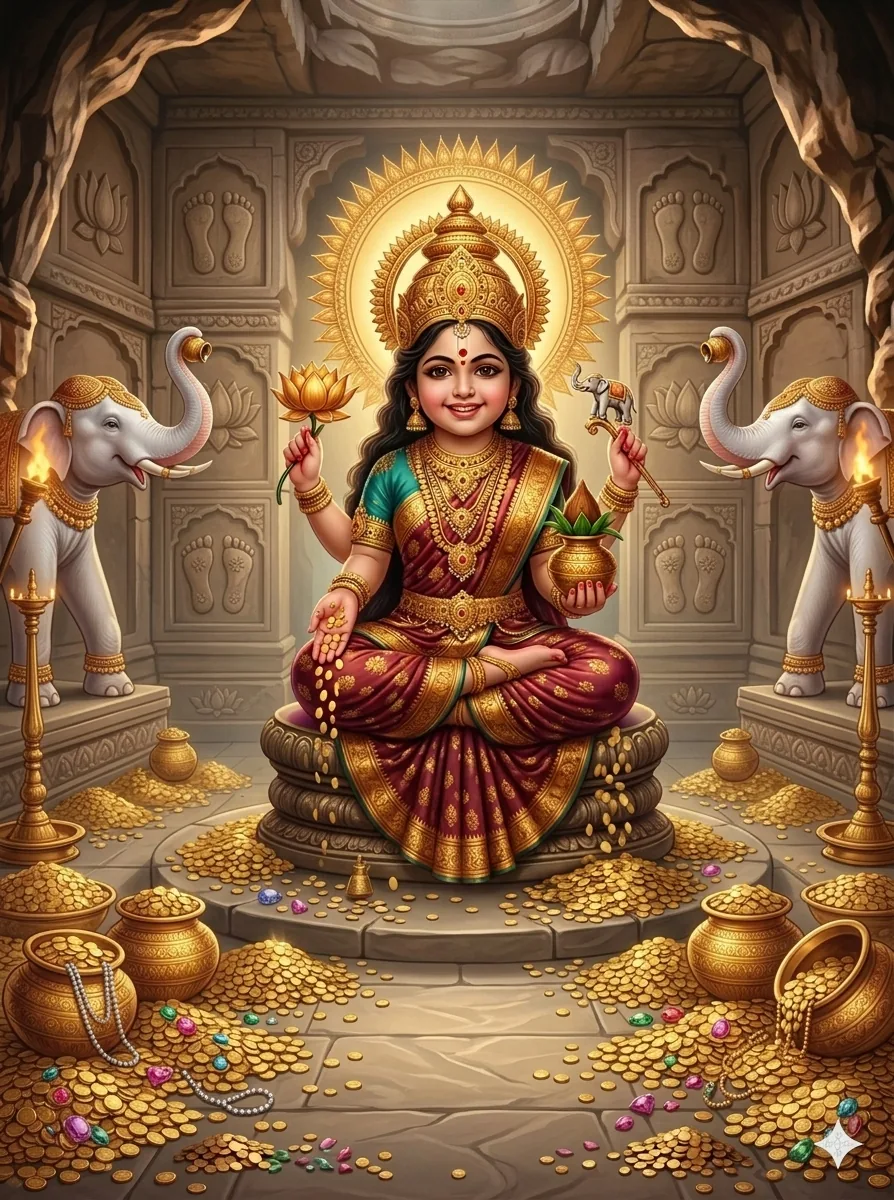
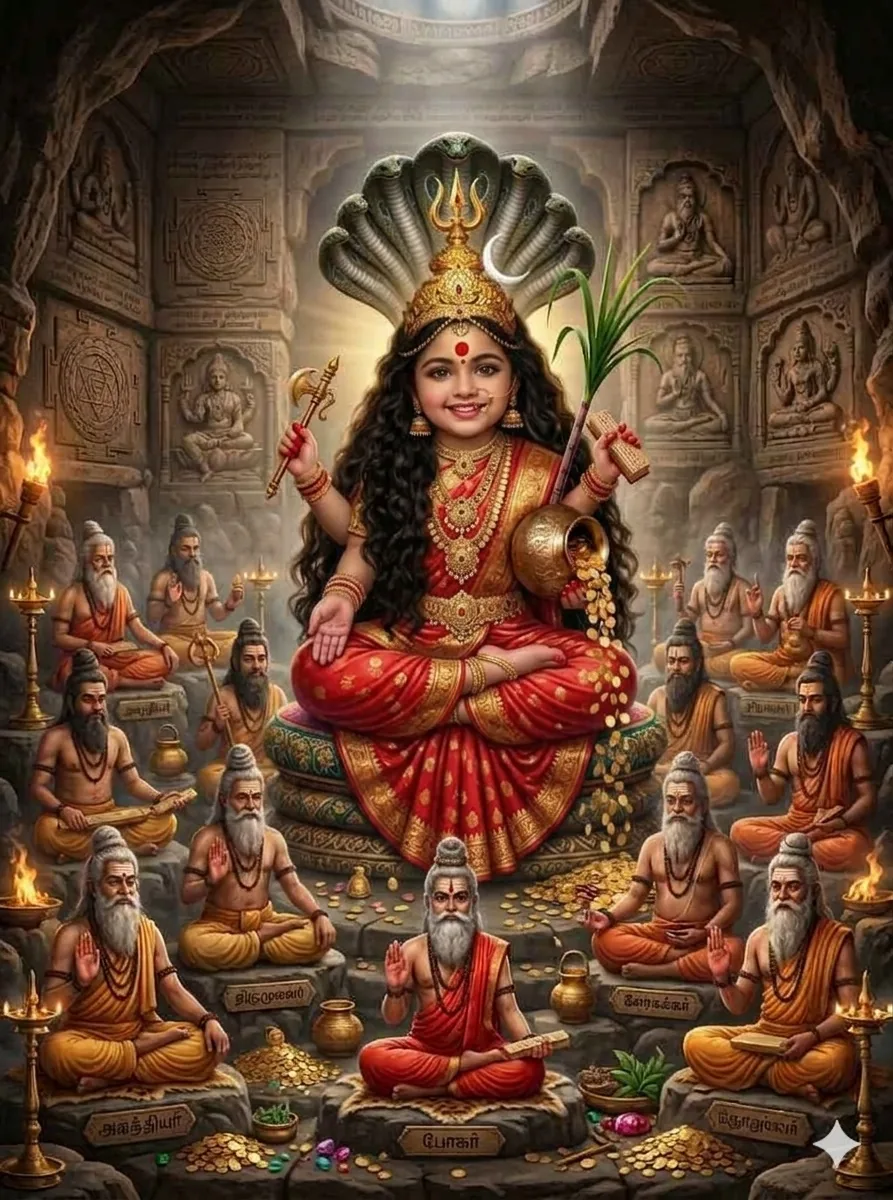
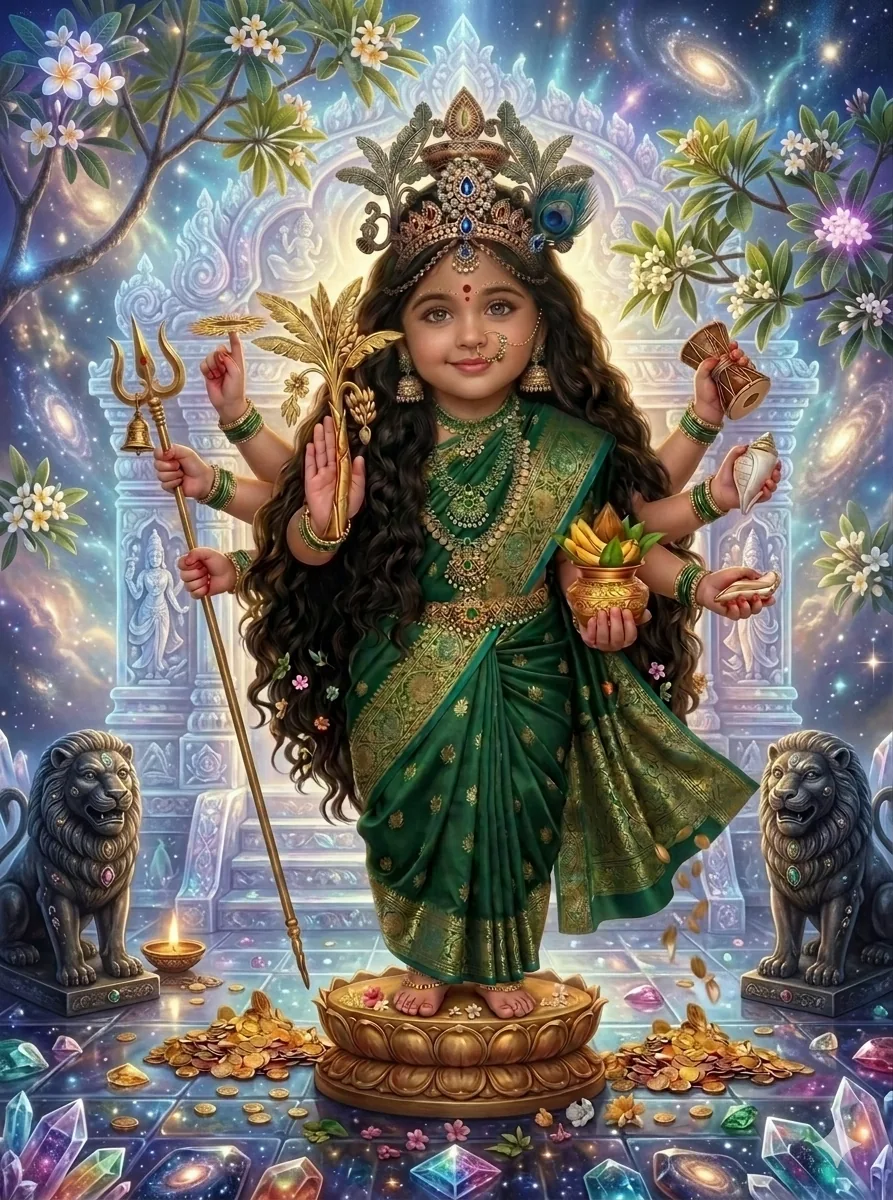
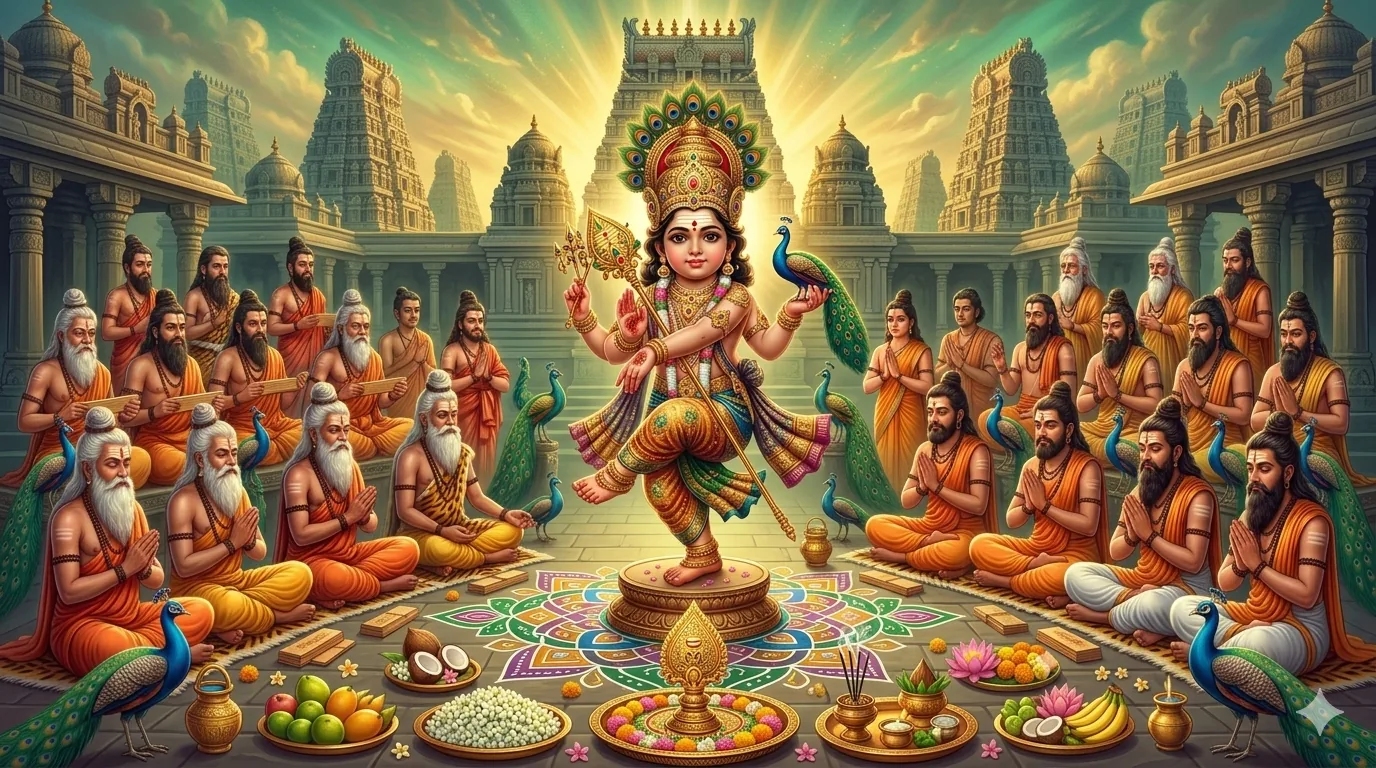
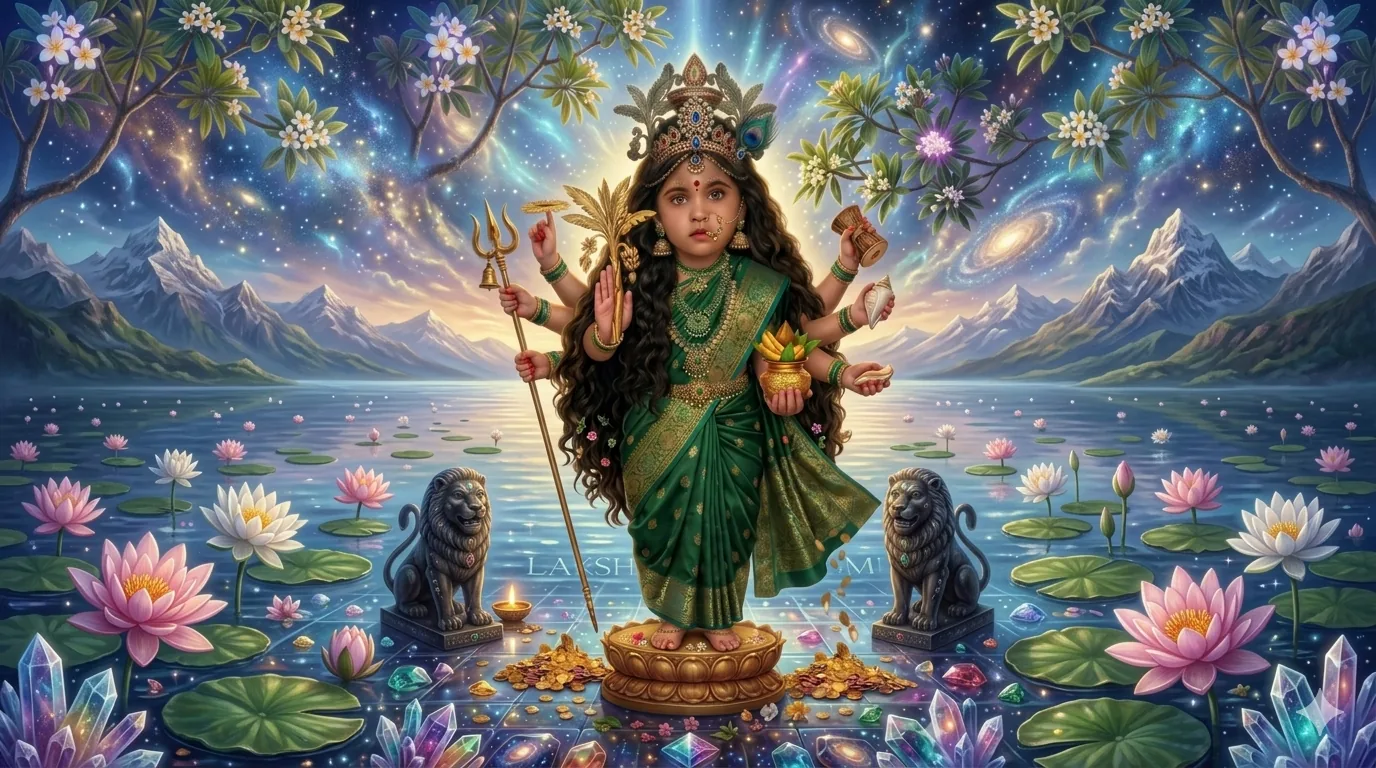
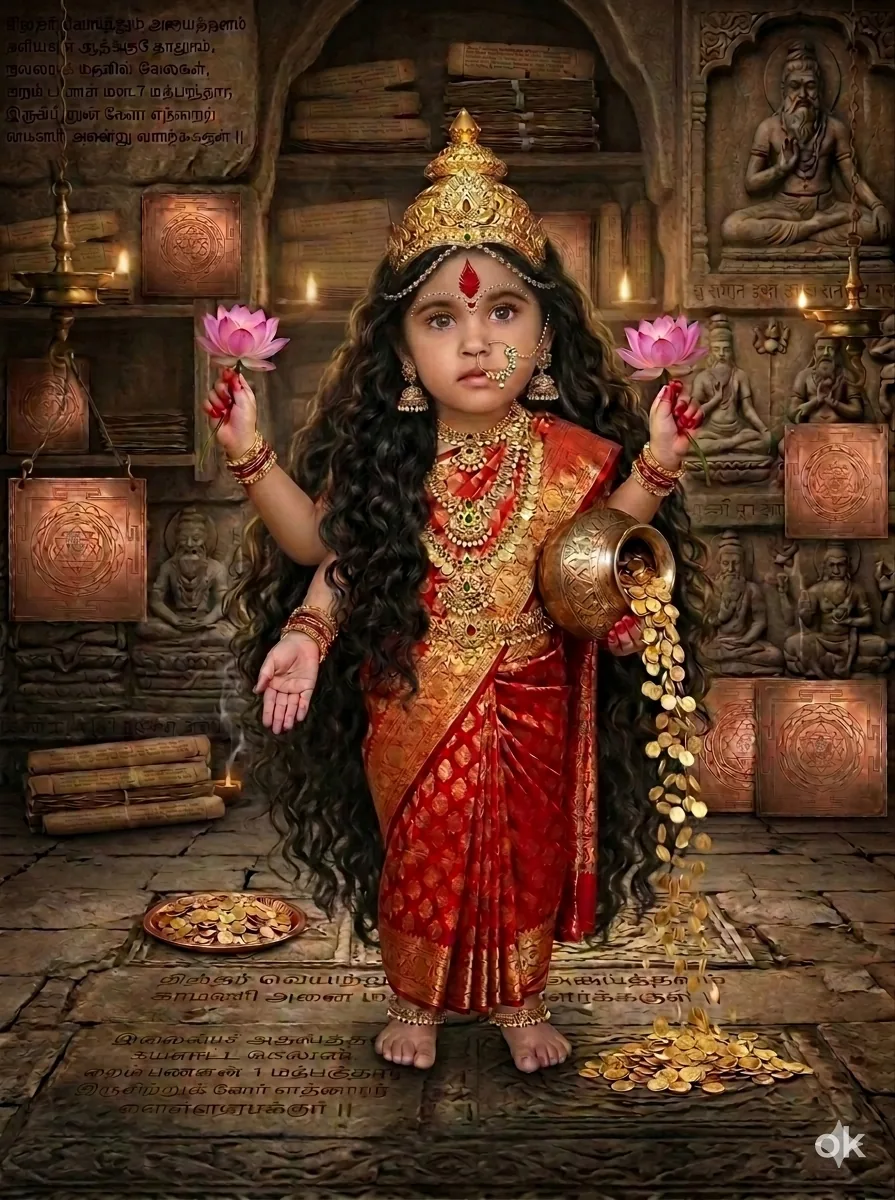
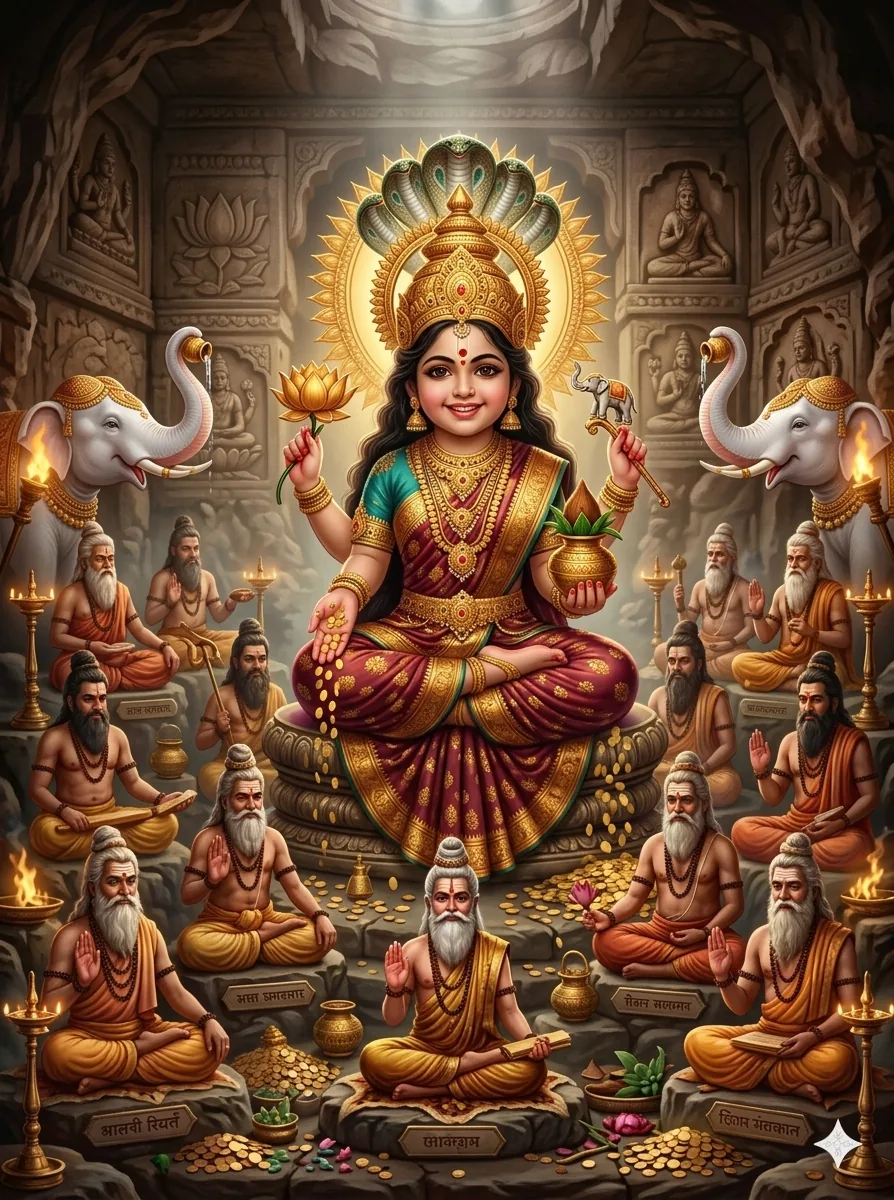
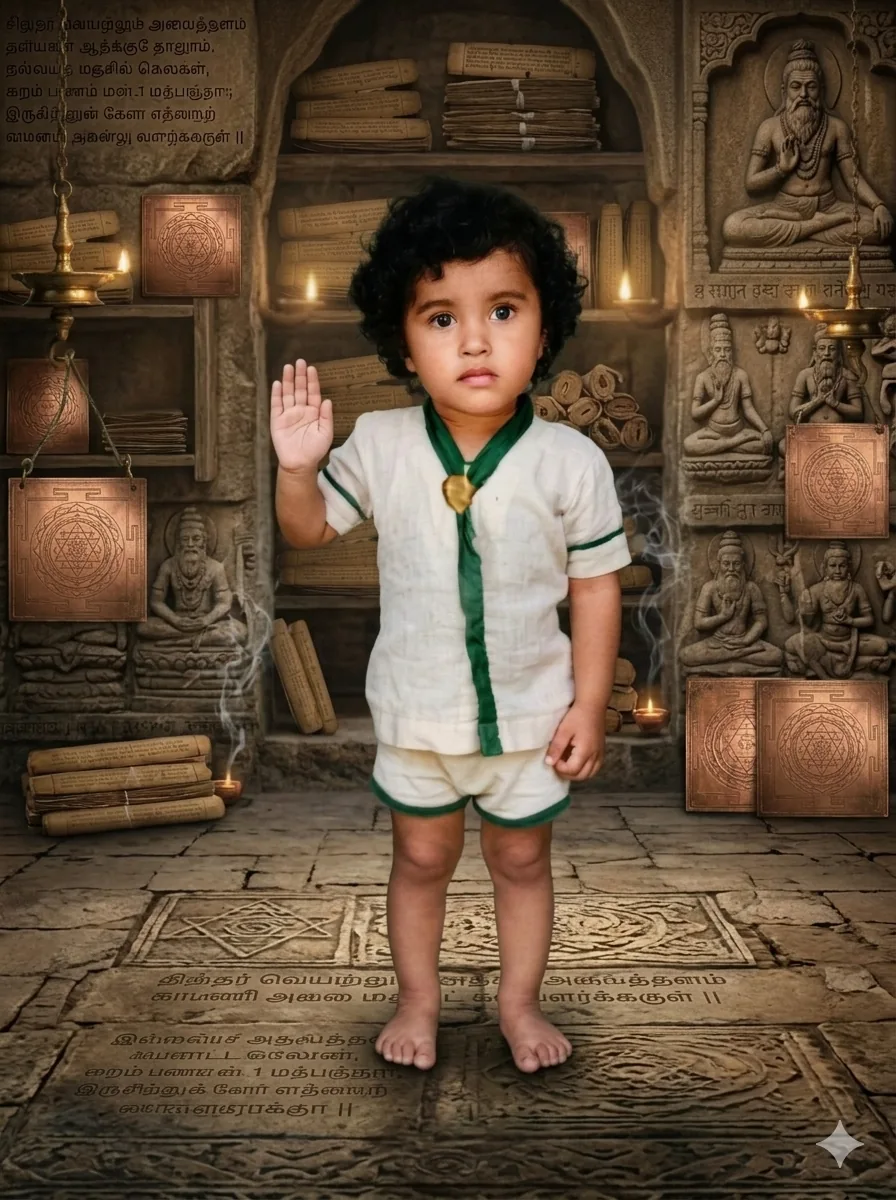
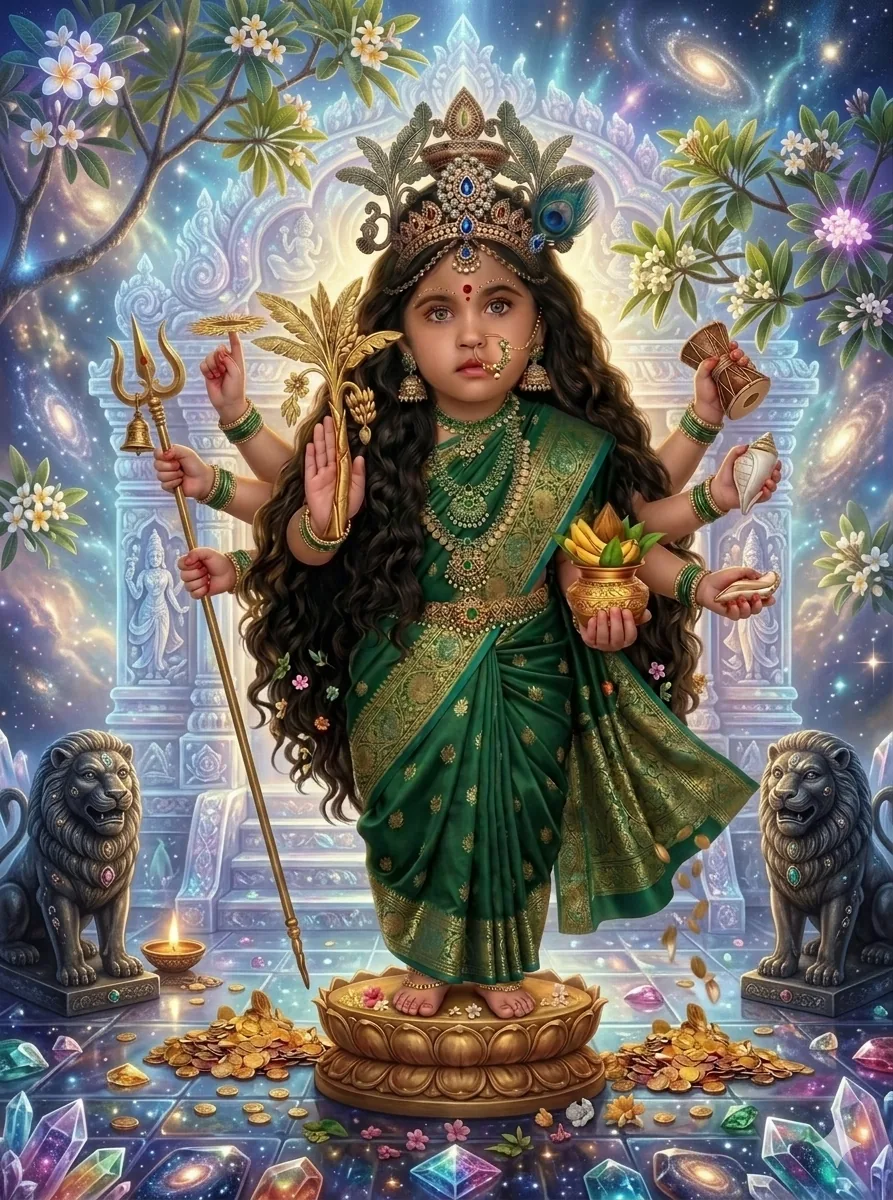
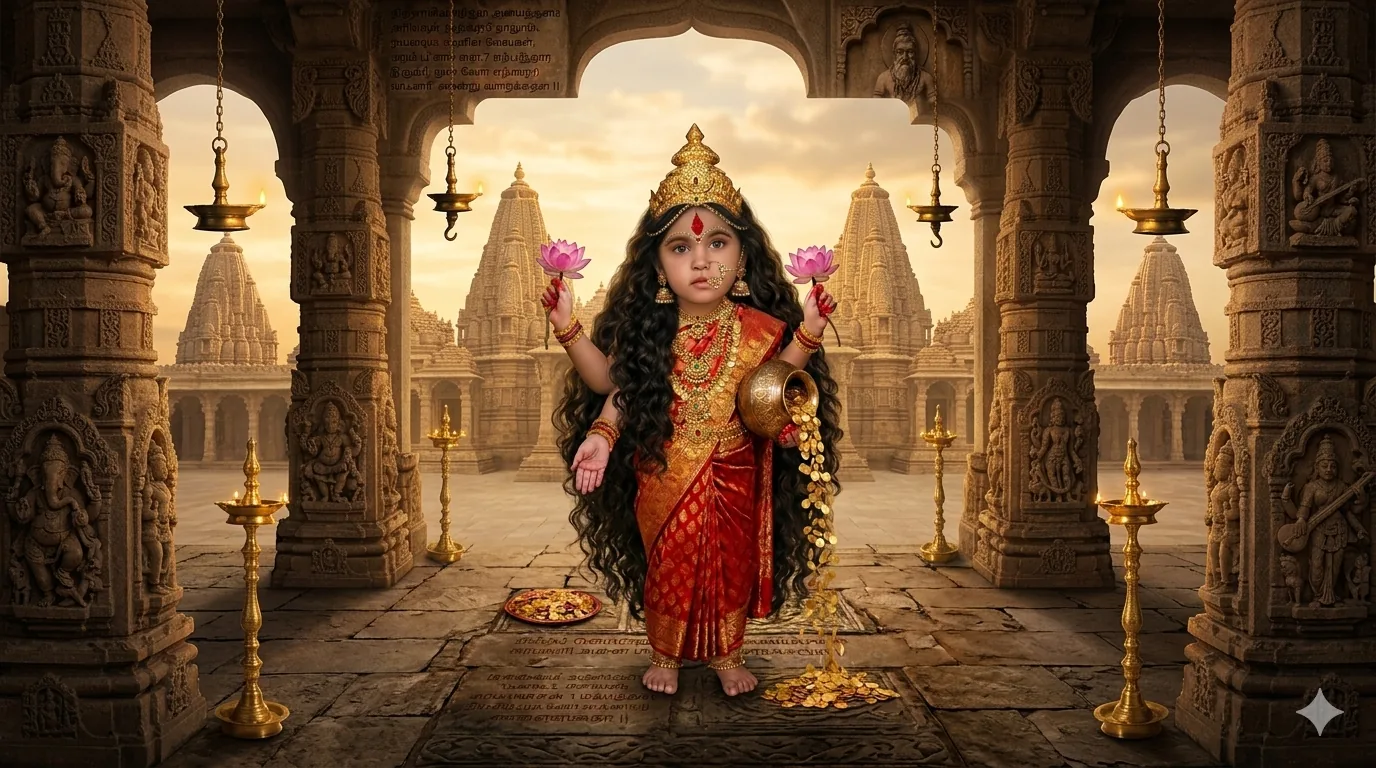
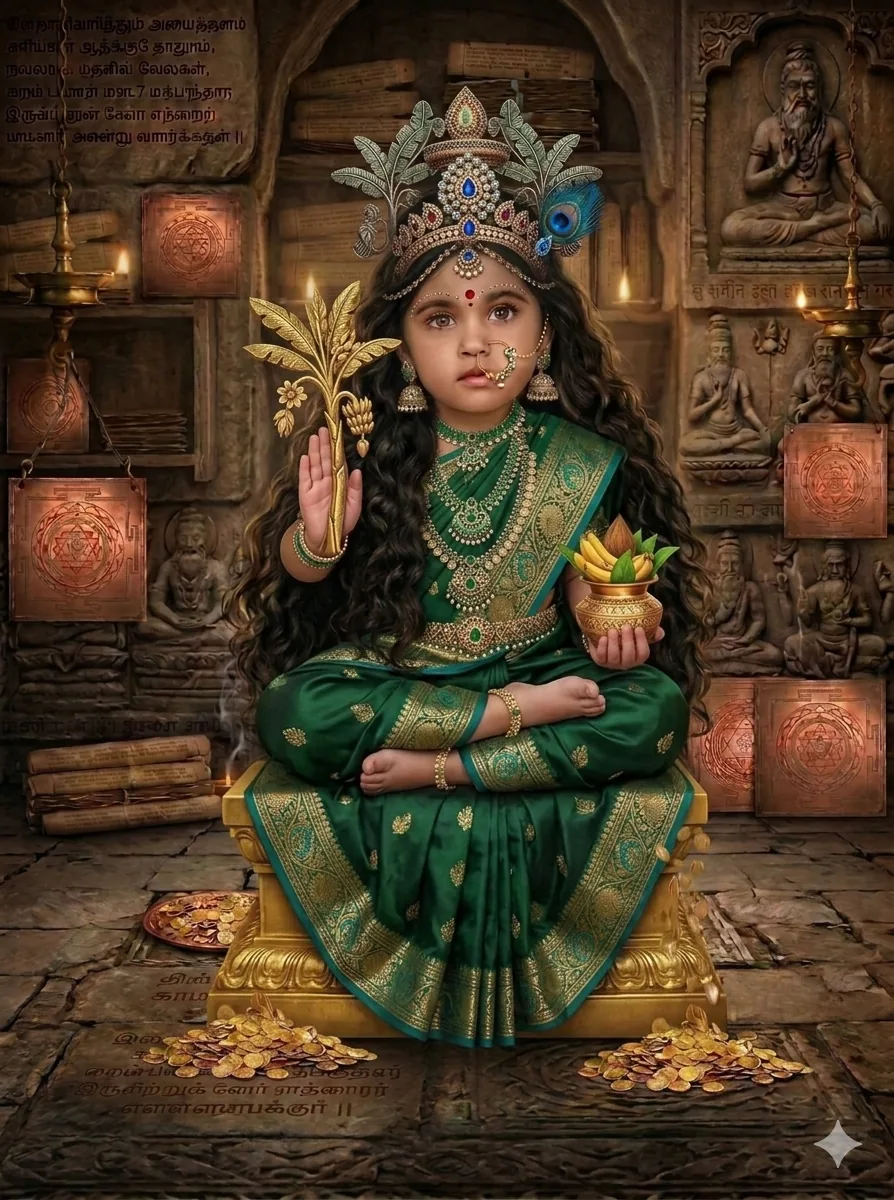
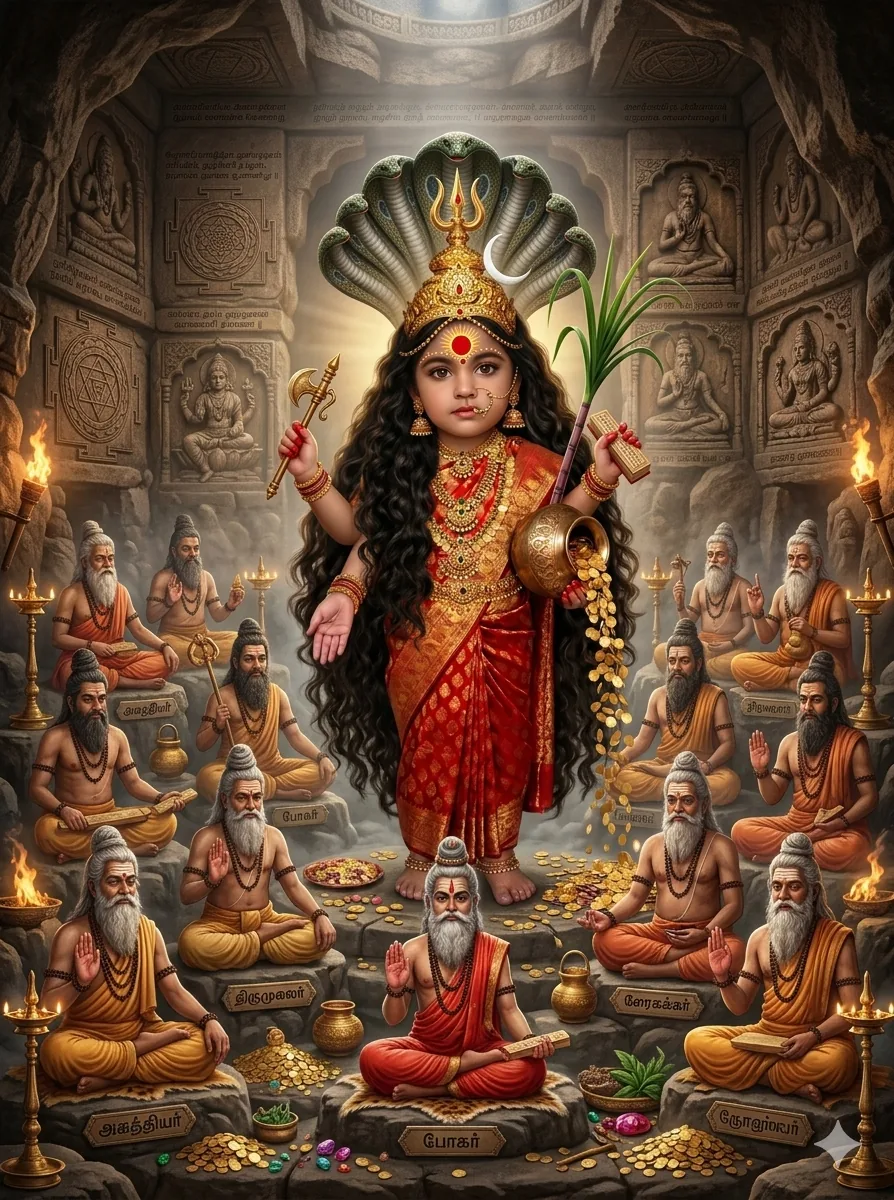
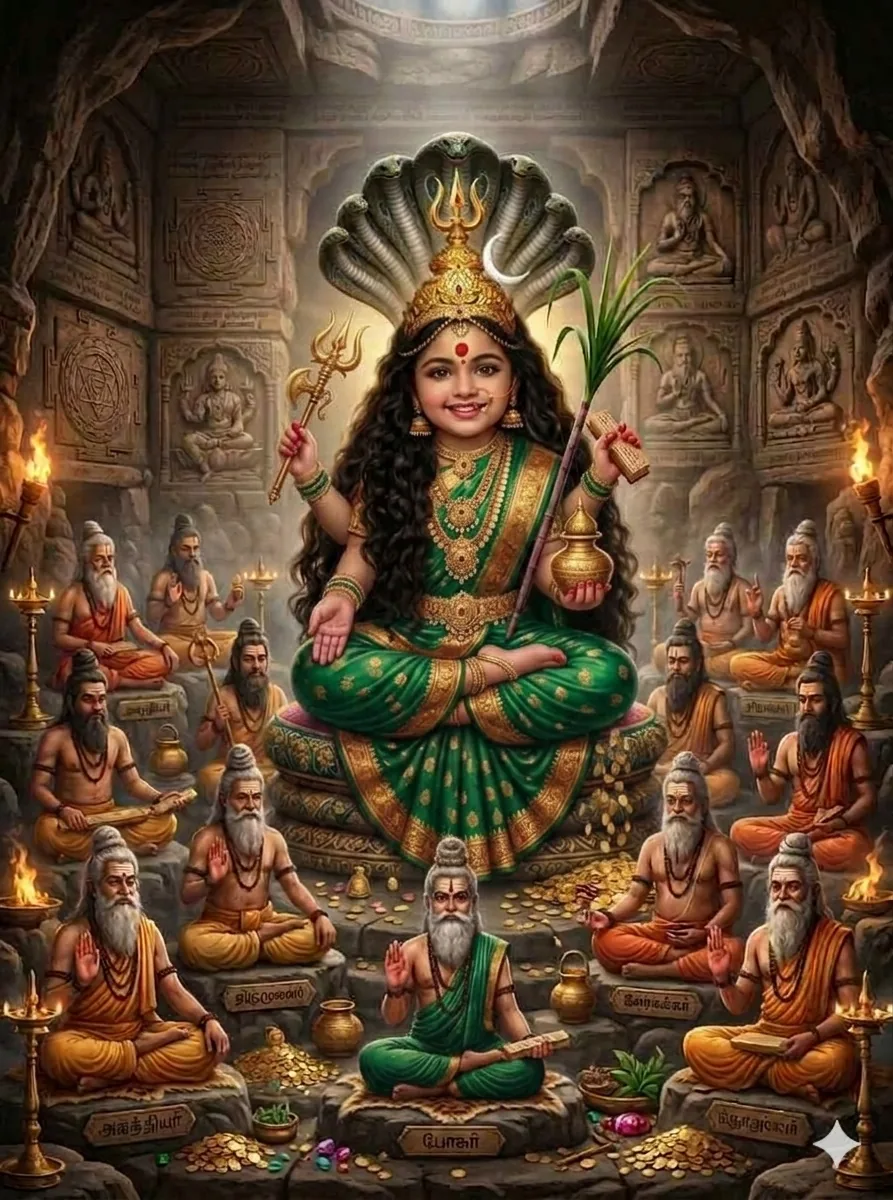
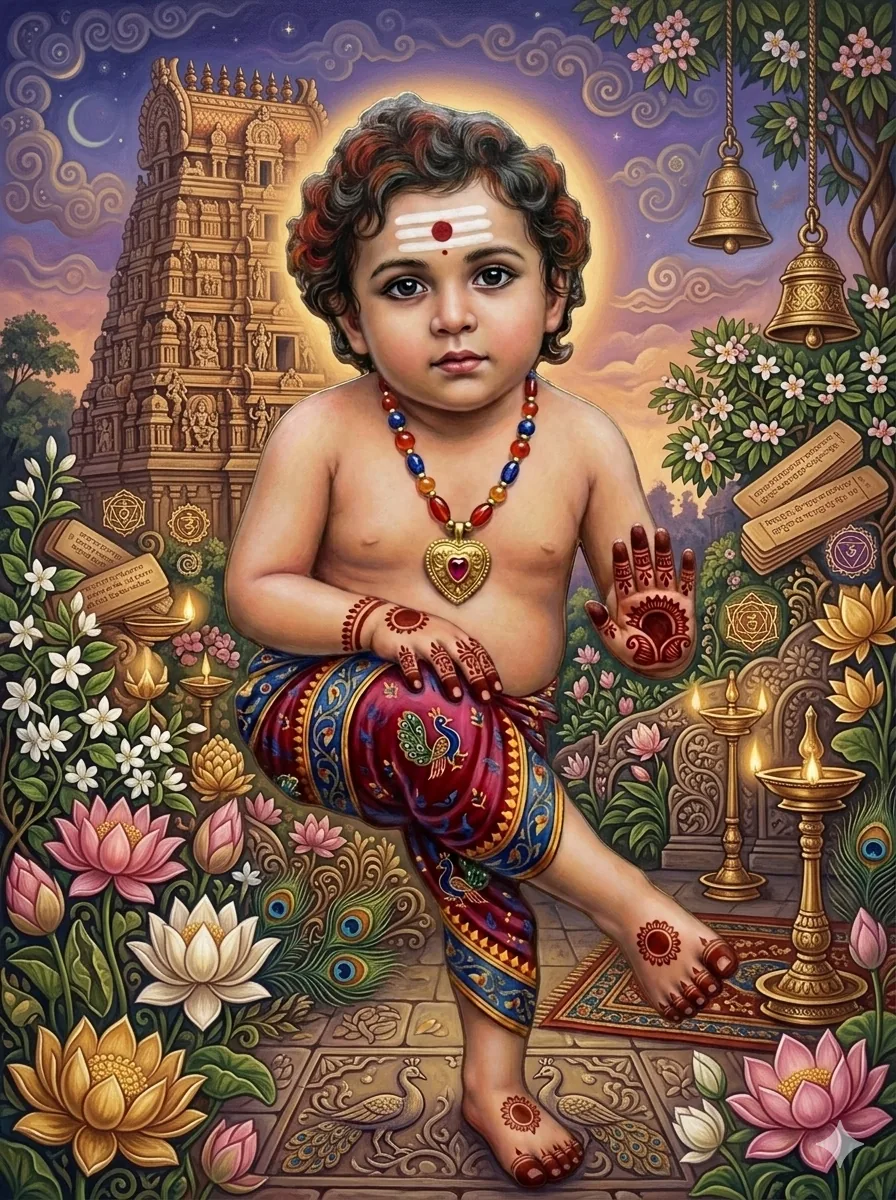
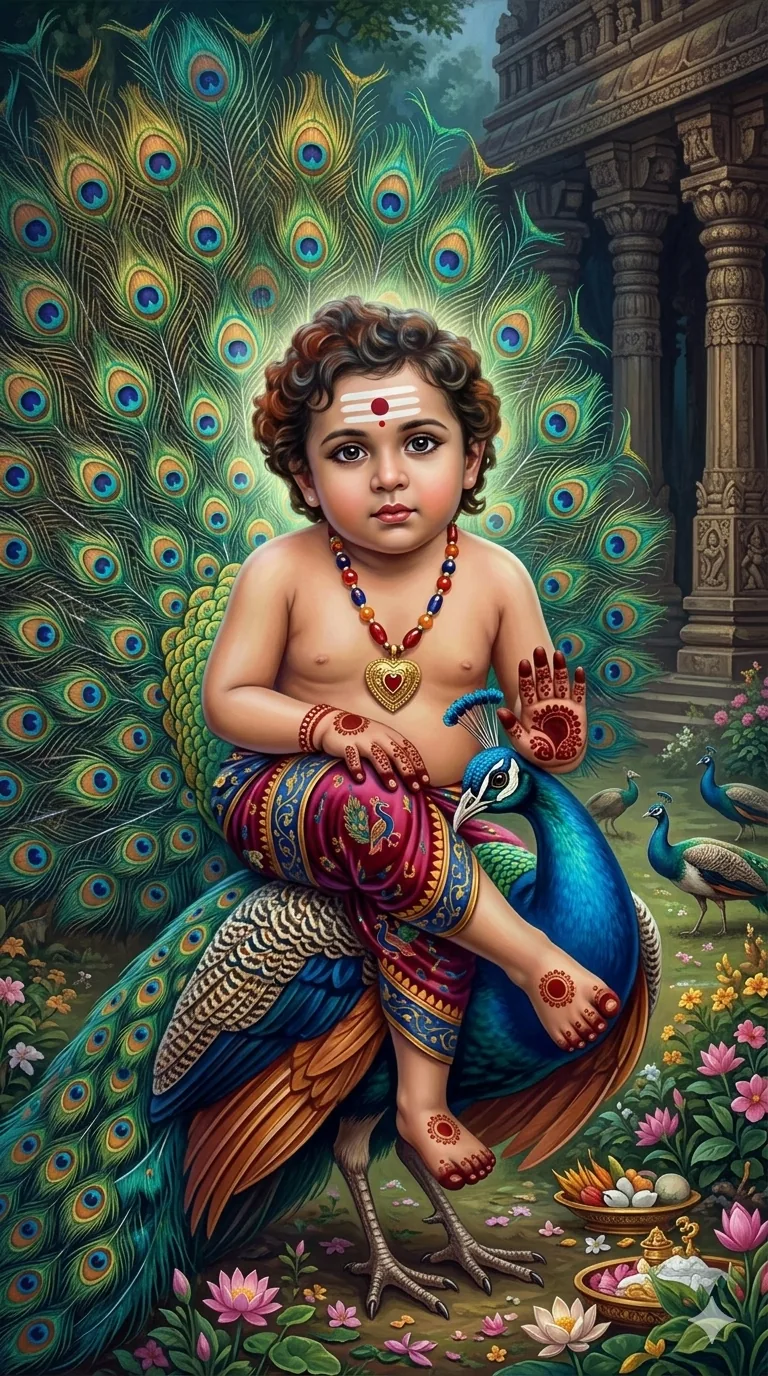
The books, and the temple
Alongside guiding those who came seeking spiritual support, Swamigal served the work of the temple and authored two books on what pure devotion truly is, and on the discipline and principles a person should carry through daily life and through their whole life.
A book on pure devotion — and on the principles and disciplines every person should understand and follow, in daily living and across a lifetime.
Read the book (PDF) →A companion volume gathering the worship of Sri Mukkurunathar, its practices and invocations, and the foundations of genuine bhakti.
Read the book (PDF) →Both books belong to the worship of Arulmigu Sri Mukkuru Thirukovil — the peedam at Koombur, Dindigul, where the deity Sri Mukkurunathar unites Vinayakar, Nagar and Anjaneyar in a single form. The temple was consecrated on Tuesday, the 25th of August 2015 — the 9th day of Avani month in the Tamil year Manmatha, under the auspicious Moola nakshatram. A mobile app, Sri Mukkuru, carries the same blessings to devotees everywhere in the world.
Common questions about the Guhai
Why is he called Suttiyur Solaiyana Raja Swamigal?
Whoever comes to him, his first question is always about their ooru — their own place: “What’s the news in your town? What’s happening in your place?” Because he speaks forever pointing to the ooru — sutti kaatti — people came to call him Suttiyur Solaiyana Raja Swamigal. Solaiyana means “of the solai”: the grove where the samadhi rises. The name is also written Suttiyur Solaiya Raja Swamigal.
What are the soul names of Suttiyur Solaiyana Raja Swamigal?
He carries a different name in every place — soul names, as he calls them: Sokkanathan in Dindigul, Kodithambi in Thiruparankundram, Bhaiya in Palani, Raabudhra in Coimbatore, Solleeswarar in Chennai, Kalabiran in Bangalore, Rabaneyan in Mumbai, Soosa Vethi in America, and Balapopular in Trichy. These are only a few among many — the fuller list is kept on a card at the Guhai, headed “Life is Short, Live Many Hearts…”
Where is the Guhai, and who may visit?
Darshan is received at Arulmigu Sri Mukkuru Thirukovil, the peedam at Koombur in Dindigul district, Tamil Nadu, India. Bhakti — devotion — is the sole foundation, and it welcomes every faith equally. There is no theetu at the Guhai: everyone is welcome to come, to visit and to pray at any time, exactly as they are — and the service is free, beyond money and beyond recognition.
What is padaiyal, and where is it laid?
Padaiyal is the laying of an offering — food prepared fresh with care and placed before the divine with devotion — made seeking prosperity and the growth of one’s work. It is laid in your own home or place of business, on any day and at any hour, and it is prepared purely vegetarian. Cooked in your own kitchen and laid by your own hands, this personal offering itself stands in the place of annadhanam.
Which pictures may be kept at home or at the workplace?
Three pictures are given — Almaya, the two tigers, and Kuberamalai — to be kept and worshipped at the place where your work is carried on, or at home. All three carry all of it: they arrest maanthirigam, the hidden maya mandhiram and trouble worked by black magic; they settle unity in a business and give positivity; they are kept for the blessing of a child and for relief from Raahu dosham; devotees of Murugan, Ayyappan, Melmaruvathur and Vinayagar may worship with them while the malai is worn and the viratham kept, for guru guidance, support and firmness of mind; and where there is trouble in the body or in the married life, Anuman works for the unity of the household. The hours given are Friday 10:30 am – 12:00 pm, Sunday 4:30 – 6:00 pm, Saturday, the amavasai and pournami days, and the pradhosam days.
What is paripāṣai?
Paripāṣai is the coded, poetic language in which Swamigal speaks. The same words carry a different depth for each person — meaning unfolds exactly as far as each listener is ready to receive it. At its centre is porul, the essence beneath appearances: the words circle it and point at it, letting the seeker close the remaining distance themselves.
What does Suttiyur Solaiyana Raja Swamigal teach about saranagati (surrender)?
Saranagati — surrender — is the true path (sevvazhi) along which the mind travels. It asks neither intellect nor the body’s presence, only the intention held whole; it is not a work of the mouth but the graded growth of faith, holding without loosening to the faith set at the foundation and journeying with it always. To be merged, feelingly, as one is the swayambhu that is called surrender; some things can only be lived, for the intellect is not enough to weigh them. And this holds for the daily responsibilities of every living being. Of mother, father, guru and God, the guru alone is the mind’s foremost — “the breath in every place, the guru the guide in every thing.”
What is the Jeeva Samadhi of Suttiyur Solaiyana Raja Swamigal?
The Guhai — the cave of stillness — is his Jeeva Samadhi, a grove (solai) of quiet. In his own word its meaning widens beyond the stone building: the photo and the NeeNa card of names, given because people asked for his picture and his name, are his first Jeeva Samadhi in this birth. The Siddhar Peedam raised at Koombur by the people themselves, having recognised this punya atma, is the second — the one for all people, where the vibration proper to a Jeeva Samadhi is certainly felt.
Who is Sri Mukkurunathar?
Sri Mukkurunathar is the deity of Arulmigu Sri Mukkuru Thirukovil, the peedam at Koombur in Dindigul, Tamil Nadu, consecrated on 25 August 2015. In a single form he unites Vinayakar, Nagar and Anjaneyar. Darshan is received at the temple, and the Sri Mukkuru mobile app carries its blessings to devotees everywhere.
Which books did Suttiyur Solaiyana Raja Swamigal write?
He authored two Tamil devotional books: Vijaya Jeya Malar, on pure devotion and the principles every person should understand and follow in daily living, and Aha Sara Muga Malar, a companion volume gathering the worship of Sri Mukkurunathar and the foundations of genuine bhakti. Both can be read freely on this site, and the Sri Mukkuru mobile app carries the temple’s blessings to devotees everywhere.
Say it — and do it
“சொல்லுவோம்ல, செய்வோம்ல”
We will say it, and we will do it — his parting word: the word and the deed, kept as one promise.
With it go his other send-offs, kept exactly as spoken: “Tomorrow paradise”, “VIP RICH LADAM” — and “இப்படம் இன்றே கடைசி” — this picture ends today. Each day’s play closes whole; what is promised is said, and what is said is done.
Visit the temple, read the books
Come for darshan — the blessing of the sacred sight — at the peedam, the temple’s holy seat, or explore the writings and the temple’s details through the Sri Mukkuru app.